Heat Pumps vs. Conventional Heating: Which One Is Right for You?


As property owners search for increasingly effective and sustainable options for heating and cooling their houses, heat pumps have shown potential as a popular option. Amidst rising energy costs and growing worries about global warming, many are wondering whether heat pumps could be the best fit for their requirements. In this article, we will discuss the advantages and disadvantages of heat pumps versus traditional heating systems, offering property owners with the key information to make informed decisions.
Starting with grasping how heat pumps function to examining their performance in various climates, we'll discuss all you need to understand. Whether you're considering installing a heat pump in a new construction or retrofitting an older home, our detailed guide will assist you understand the complexities of heat pump technology, installation costs, and care advice. Join us as we delve into this modern heating option and assess if it truly is the next step of home heating and cooling.
Understanding Heat Pump Systems
Heat pump systems are cutting-edge systems that provide both heating and cooling for residential spaces, making them versatile solutions for all-season climate control. They work on the principle of transferring heat rather than producing it, which can lead to substantial power savings. In heat mode, a heat pump draws heat from outdoor air or geothermal sources and sends it indoors, while in air conditioning mode, it removes heat from the inside and releases it outside. This two-in-one capability is what defines heat pumps apart traditional HVAC systems, which often require separate units for heating and cooling.
When it comes to effectiveness, heat pumps surpass many conventional heating systems. Traditional furnaces and electric resistance heaters require substantial energy to generate heat, while heat pumps can provide up to three to four or four times the amount of energy they require. This is referred to as a COP, demonstrating how efficiently these systems operate. Additionally, advancements in technology have considerably boosted the performance of heat pumps, allowing them to function effectively even in colder climates, which was a previous limitation.
In the last few years, homeowners have increasingly turned to heat pumps as a more sustainable heating and cooling alternative. As anxieties over climate change grow, the ecological advantages of using heat pumps, including their reduced carbon footprint compared to fossil fuel-based systems, become more noticeable. These systems are not only designed to improve energy efficiency but also to lessen reliance on traditional energy sources, ultimately contributing to a greener future. Understanding how heat pumps operate and their advantages is crucial for homeowners considering a change from traditional heating methods.
Benefits of Heat Pumps
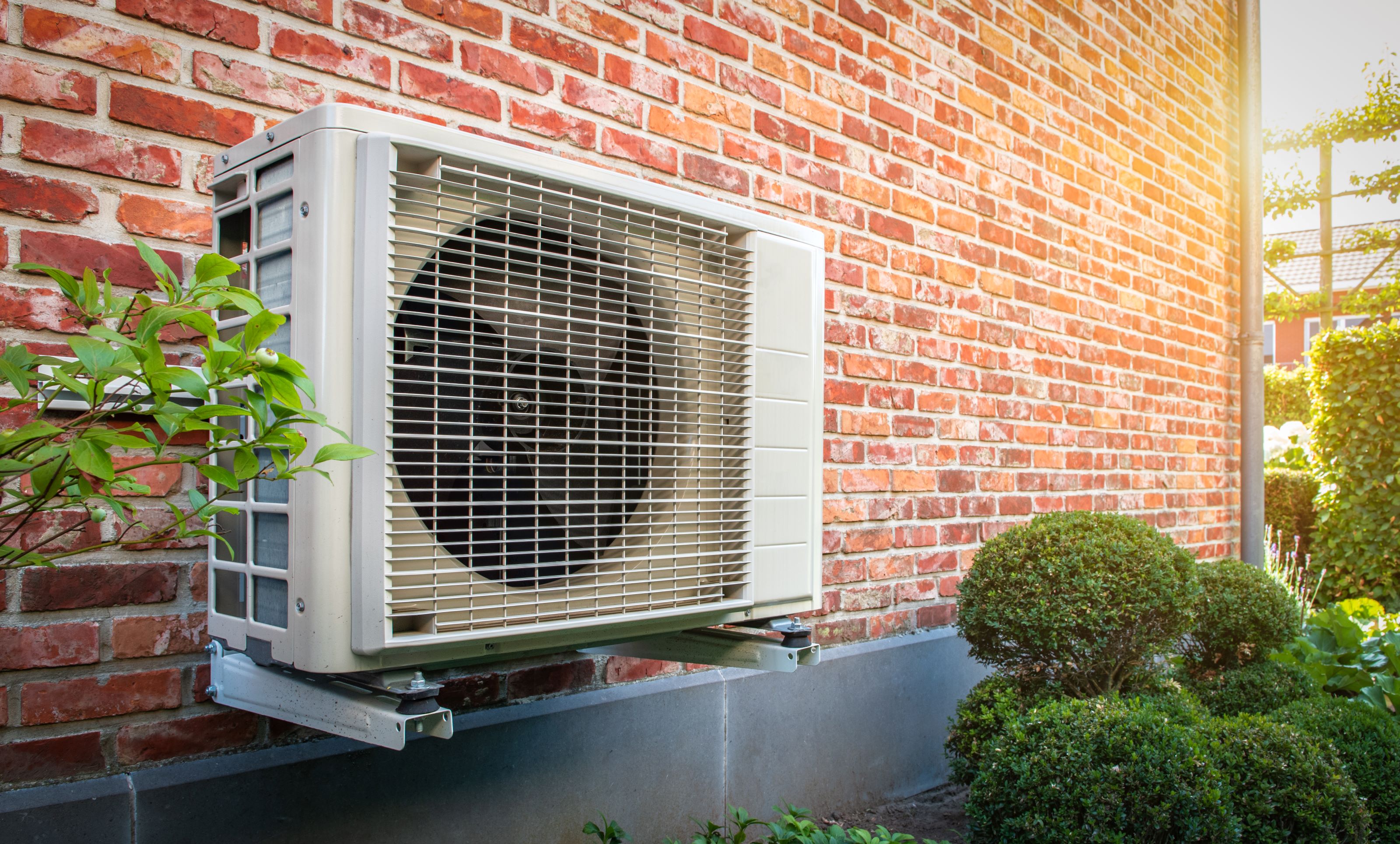
Heat pump systems offer a number of advantages that can greatly enhance the comfort and efficiency of your house. One of the main benefits is their ability to provide both heat and cooling, which makes them a multi-functional choice for residents. In temperate climates, heat pumps can be used throughout the year to maintain a pleasant indoor environment without the need for distinct heating and cooling systems, leading to decreased installation and upkeep costs.
Another major benefit of heat pumps is their energy efficiency. Compared to standard HVAC systems, heat pumps can move more heat than they use, resulting in decreased utility costs. This is accomplished through the process of moving heat rather than generating it. Property owners can enjoy significant savings on their bills while also minimizing their environmental impact, making heat pumps an sustainable option for climate-conscious individuals.
Moreover, heat pumps are known for their somewhat low maintenance requirements. With less components than traditional heating systems, they generally experience less problems over time. Routine maintenance is still recommended to ensure optimal performance, but problems tend to be more infrequent frequent. Air Source Heat Pumps Bradford Yorkshire contributes to a greater lifespan for the system, which can result in a higher return on financial return for homeowners considering the setup of a heat pump.
Installation and Maintenance
Implementing a heat pump needs meticulous consideration and organization. It is crucial to select the best size and kind of heat pump based on your home's individual demands. Engaging a professional installer guarantees that the heat pump is properly dimensioned, placed, and calibrated for optimal performance. For those thinking about a replacement, elements such as preexisting ductwork and insulation standard should be evaluated, as these will impact performance. Proper installation can lead to considerable cost savings and enhanced ease throughout your home.
Regular maintenance is essential to maintaining a heat pump running efficiently. Homeowners should plan expert check-ups at least a minimum of once a year, during which key parts like coils, filters, and refrigerants will be inspected and repaired. Additionally, homeowners can take a critical role in maintenance by consistently washing or replacing filters and confirming that outdoor units are free from debris. By taking these proactive steps, you can prolong the duration of your heat pump and sustain its performance.
Grasping the common issues that may arise with heat pumps can help in resolving problems efficiently. Many homeowners experience reduced efficiency or unusual noises, which can signal maintenance needs or possible system failures. Remaining aware about these signs allows for timely interventions. Moreover, investing in a reliable heat pump model from reputable brands can offer confidence and reduce unexpected maintenance costs.