Break the Code: How to Dominate Your Next Word Scramble Puzzle


Letter mix-up challenges have turned into a popular pastime for countless people, providing a enjoyable and engaging way to test your vocabulary and analytical skills. Regardless of whether you are playing casually at your place or competing against peers, the excitement of untangling jumbled letters to form coherent words is an exhilarating mental workout. But for those seeking to improve their game, perfecting specific techniques and strategies can make a significant the difference. In this article, we will explore expert tips and tricks that will assist you solve word scrambles faster, enhance your vocabulary, and improve your overall puzzle-solving abilities.
With the right approach, everybody can overcome even the most challenging word scramble puzzles. We will delve into frequent letter patterns, how to use prefixes and suffixes, and the psychological advantages of engaging with word puzzles. From families enjoying family nights to teachers using word scrambles in the classroom, these puzzles offer limitless possibilities for learning and fun. So prepare to break the code and elevate your word scramble skills to new heights.
Expert Advice and Approaches for Word Unscrambles
To conquer word scrambles successfully, begin by familiarizing yourself with common letter arrangements. Many words have distinct combinations of letters, such as "tion," that often occur in multiple contexts. Identifying these patterns can significantly accelerate the activity of solving scrambled words. Continue reading on identifying prefixes and suffixes as well, as they can help you divide a long scrambled word into manageable sections. This method not only saves time but also enhances your capability to identify potential solutions rapidly.
A further crucial strategy is to rehearse regularly with a range of word scrambles to improve your vocabulary and pattern recognition. Contemplate using digital resources or smartphone apps that deliver daily word scramble exercises. Frequent practice will sharpen your skills, making it simpler to spot known words in mixed formats. Furthermore, challenge yourself with different levels of difficulty to extend your limits and build confidence in solving more difficult scrambles.
In conclusion, don’t disregard the social aspect of word scrambles. Involving in casual competitions with friends or family can elevate the complete experience and motivate you to enhance your skills. As you participate together, you can discuss advice and strategies, making it a cooperative learning experience. Hosting word scramble game nights can also introduce a fun dimension, blending enjoyment with cognitive exercise. Keep testing with different approaches, and you'll soon develop your own effective strategies for mastering word scrambles.
Frequent Patterns and Errors in Word Scrambles
When approaching word scrambles, recognizing typical letter patterns can markedly enhance your pace and precision. Many English words adhere to familiar structures such as beginnings and suffixes . For example, words like "unhappiness" and "happiness" share the same base, enabling you to focus on the root structure before attaching the appropriate prefixes or suffixes. Furthermore, being aware of typical consonant-vowel arrangements , such as "CVC" (consonant-vowel-consonant) or “CVVC” can help narrow down possible solutions promptly.
Despite the strategies available, players often make common mistakes that can impede their progress. One common error is overlooking lengthy words that can actually be formed from smaller segments of letters. Instead of trying to scramble all letters at once, approach them in groups or pairs . Another mistake is failing to consider to rearrange letters several times; at times, the solution only becomes apparent after multiple iterations. Failing to utilize letter frequency —in which certain letters appear more commonly in specific positions —can also result in wasted time and effort .
To improve your game, it helps to review past solving experiences and determine recurring missteps. Make a note of patterns in your mistakes, such as jumping to conclusions about word lengths or being limited to familiar letter pairings. By consciously avoiding these pitfalls and emphasizing systematic approaches, your proficiency in word scrambles will undoubtedly improve. Incorporating both tactics and awareness while solving will create a more rewarding and fruitful experience.
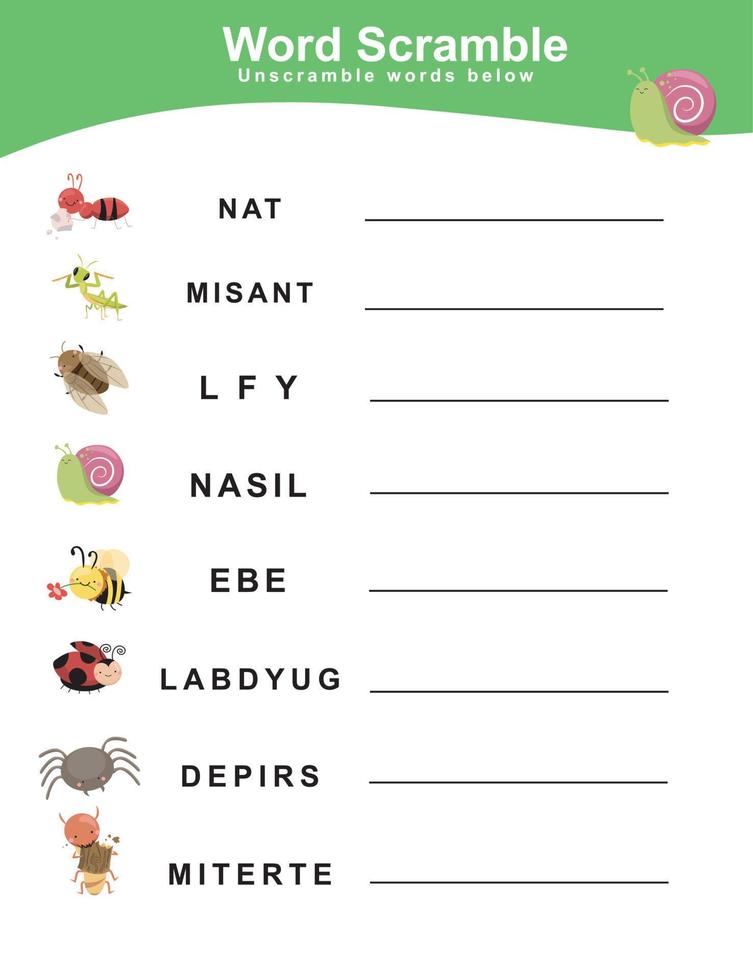
A Advantages of Letter Scrambles for Cognitive Development
Engaging in word scrambles offers a novel way to enhance mental activity and boost brain growth. These puzzles test participants to think critically and quickly, promoting mental agility. As participants try to shuffle letters into coherent words, they develop their problem-solving skills, which can result in enhanced cognitive abilities over time. This mental workout acts not only to entertain but also to forge brain pathways in the mind.
Word scrambles also promote vocabulary expansion, making them an outstanding tool for learning. As participants come across new words while unscrambling mixed letters, they absorb language in a enjoyable and interactive manner. This exposure helps increase word recognition and retention, ultimately enhancing language skills. Enhanced vocabulary is beneficial not just for everyday communication, but also for academic achievement and literacy.
Lastly, the social aspect of these games cannot be ignored. Playing with friends or family encourages communication and collaboration while also promoting a feeling of belonging. This interaction can reduce stress levels and improve mood, both of which are crucial for overall brain health. In conclusion, these puzzles serve as a multifaceted resource for brain development, offering cognitive, educational, and community benefits.