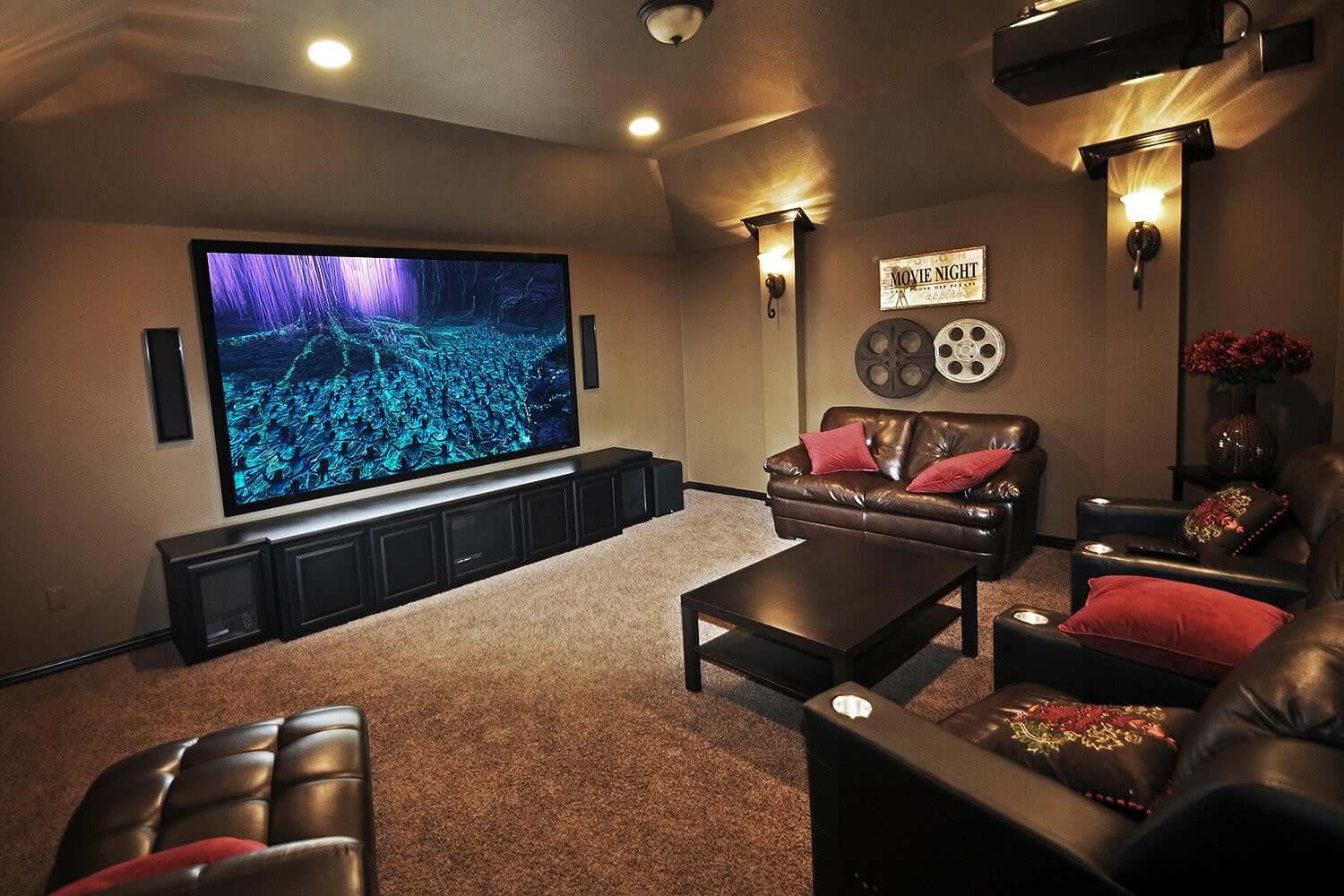
Why All Cinema Lover Needs a Personal Movie Theater


Whether you're a genuine movie buff, you understand that nothing quite like the experience of watching films in the comfort of your own home. Picture sinking into plush seating, surrounded by breathtaking visuals and immersive sound, all tailored to your personal taste. A home cinema not only elevates your viewing experience but also creates a space where you can enjoy movie nights with family and friends, escape into different worlds, and celebrate cinematic masterpieces right from your living room.
Building your dream home cinema is more feasible than you might think, no matter your budget or available space. This guide will walk you through essential features, layout tips, and technology options that will make your home theater a stunning retreat for entertainment. If you're a beginner wanting to dip your toes into home cinema or a seasoned enthusiast aiming to refine your setup, every movie lover can gain from creating a dedicated cinematic space that shows their love for film.
Crucial Elements for Your At-Home Cinema
When creating your perfect home cinema, there are various essential features that can improve your watching experience. First and foremost, a premium projector is vital for achieving breathtaking visuals. Picking the best projector involves taking into account factors like image clarity, light output, and throw distance to ensure a crisp and captivating image. Helpful resources -notch projector screen will also enhance picture quality, allowing you to enjoy your favorite films with crispness and richness, whether you prefer a standard format or a custom screen type.
Sound is also important in a home cinema setup. Surround sound systems, such as those enabled by DTS, provide an immersive audio experience that transports you into the film. Allocating funds in premium speakers and subwoofers can create deep soundscapes that make action sequences thrilling and dialogue sharp. Additionally, insulating your space can significantly improve your audio experience by diminishing external noise, ensuring that you and your guests are totally focused in the cinematic experience.
Lastly, comfort and layout play a key role in how pleasant your home cinema is. Selecting the most comfortable seating is vital; whether you like couches, cinema seats, or other options, ensuring they are supportive and correctly positioned is essential. Furthermore, thoughtful design elements such as ambient lighting and acoustic panels can enhance the vibe and enhance both audio and visual performance, making your home cinema not just a place to watch movies, but a true film sanctuary.
Design and Configuration Tips for Optimal Viewing
Formulating the perfect at-home movie set-up starts with careful arrangement planning. Take into account the theater's measurements, confirming that there is ample distance among the chairs and the display for ideal viewing. A general rule of advice is to position oneself about 1.5 to 2.5 times the diagonal size of the projector. Additionally, set up the chairs in a stepped arrangement if space allows, lifting the back rows to prevent any obstructions from the front row. This configuration not just boost the viewing experience but also encourages an immersive atmosphere that echoes a commercial cinema.
Lighting holds a key function in your home cinema setup. To create a theater-like ambiance, opt for dimmable lights or LED lighting that can be regulated to fit various parts in the video. If feasible, install blackout curtains to remove external light input and enhance picture quality. Incorporating smart home technology can give ease and additional flexibility over your lighting, allowing you to establish the perfect setting with a single voice command or remote.
Finally, pay attention to sonic clarity, as it is essential for a real movie experience. Place your audio devices correctly, adhering to the standard of multi-channel audio arrangement for even audio distribution. If you’re using a premium sound system, consider soundproofing panels to enhance sonic clarity and minimize echo. Investing in a quality bass speaker will additionally enhance the sound experience, confirming you experience the impact of every movie scene. Integrating these elements will change your personal theater into an comfortable location set for extraordinary film viewings.
Cost-Effective Cinematic Solutions
Establishing a home cinema can seem like a daunting and expensive project, but there are plenty of economical solutions that can help you attain the cinematic experience without overspending. To start, consider repurposing existing furniture and leveraging your living space effectively. Instead of investing in high-priced cinema seating, opt for relaxed couches or even floor cushions that can provide a comfortable environment. Setting up your seating for optimal viewing angles is key, and this can often be done with furniture you already.
Next, focus on cost-effective technology improvements. A decent projector can be found at multiple price points, so do thorough research to find the best option for your budget. Many moderate projectors offer impressive picture quality, particularly in dim conditions. Additionally, streaming gadgets can also enhance your viewing experience without the hassle and cost of cable subscriptions. Streaming services provide a vast library of movies and shows, allowing you to experience cinematic experiences in the comfort of your home and on a budget.
Finally, consider simple modifications to enhance your home cinema environment. Adding blackout curtains can significantly enhance your viewing experience by blocking ambient light. You can also use homemade acoustic treatments with affordable materials like foam panels or even blankets to enhance sound quality. Thoughtfully designed lighting, like light strips or dimmable lamps, can create an cozy atmosphere without a hefty price tag. These budget-friendly solutions will enable you to enjoy a fulfilling home cinema experience without overspending.