Waste Management Myths: Busting Common Myths Concerning Waste Disposal


In the current society, smart waste management has never as more important. With urbanization increases and population growth persists to strain our environmental resources, how we manage waste has major implications affecting not just our environment but also for our health and economy. Unfortunately, we find numerous myths about waste management that can cause misunderstandings and harmful practices. From the misconceptions about recycling to the belief that waste is the problem of others, these myths can impede our efforts to create a cleaner, a sustainable planet.
This piece aims to dispel some of the widely believed myths about waste management and provide you with key insights into modern practices and solutions. Whether you are a business owner seeking to improve your waste management strategies, a homeowner looking to reduce waste and save money, or merely someone wanting to understand the environmental impact of waste, this resource will cover all you need to know to take informed action. Come along as we delve into the importance of waste management, effective strategies for improvement, and how we can together combat the challenges that come with waste in our daily lives.
Understanding Waste Disposal Importance
Effective waste management is crucial for preserving a neat and wholesome environment. It plays a significant role in reducing pollution, conserving natural resources, and supporting public health. By managing waste effectively, we can lessen the adverse impact on our environmental systems and enhance the quality of life for everyone. In today's world, where waste generation is constantly rising, the importance of adopting systematic waste management practices cannot be overlooked.
For companies, efficient waste management is not only a matter of compliance with laws but also an integral component of corporate responsibility. Implementing innovative waste management solutions can lead to cost savings, improved operational efficiency, and a better public image. Companies that value waste reduction support sustainability efforts and can even gain a competitive advantage in their field. This makes understanding and improving waste management strategies vital for success in any business environment.
On an individual level, understanding waste management helps households minimize clutter and conserve money. By discovering how to Wealth Management Truro Cornwall , reuse organic waste, and reduce overall consumption, people can make a meaningful difference in waste generation. This understanding empowers people to take action in their daily lives, fostering a culture of sustainable waste management that benefits both the community and the planet.
Optimal Refuse Management Strategies
Implementing effective refuse handling approaches is crucial for both businesses and families to lessen environmental effects and cut costs. One of the main strategies is garbage sorting, which includes classifying recoverable materials from mixed waste. By making sure that items like plastics, metals, and fiber do not end up in landfills, waste managers can significantly increase recycling rates and support a recycling economy. Teaching employees and family members on effective separation methods is vital for achieving effective results.
An additional key approach is implementing a garbage minimization strategy that centers on the foundations of reduction, recycling, and reusing. Businesses can analyze their garbage creation patterns through garbage inspections to discover points where they can minimize excess garbage. This can require optimizing operations, switching to electronic documentation, or sourcing sustainable packaging solutions. Households can also participate by being aware of their use habits, not using one-time goods, and making thoughtful buying decisions that emphasize environmental responsibility.
Finally, leveraging technology can improve garbage management efforts significantly. Smart waste disposal methods, which feature waste management applications and scheduled pickup plannings, can optimize collection paths and cut administrative spending. Moreover, data analytics can provide important insights into garbage production dynamics, permitting for greater knowledge-based determinations. Utilizing these approaches not only enhances efficiency and reduces expenses but also supports to a cleaner planet for future.
Advancements in Trash Management Tech
The landscape of waste management is swiftly transforming thanks to innovations in tech. Smart waste bins equipped with sensors can observe fill levels and optimize collection routes, minimizing fuel consumption and enhancing efficiency. These innovations enable cities to assign resources more effectively, reducing costs and environmental impact. Additionally, AI-driven sorting technology is enhancing recycling processes by accurately identifying and separating different materials, greatly diminishing contamination rates.
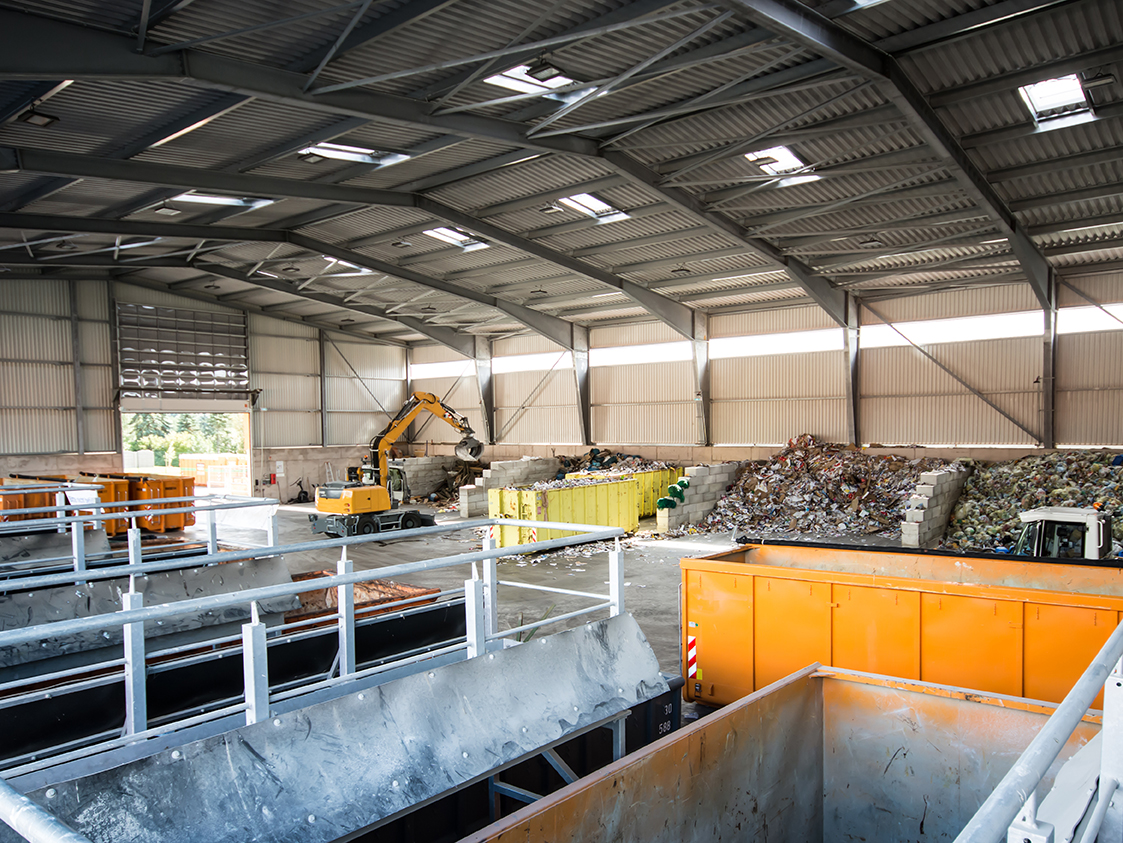
Incorporating analytics into waste management initiatives allows businesses to pinpoint inefficiencies and develop personalized waste reduction plans. By analyzing waste generation trends, companies can implement targeted initiatives that cut waste and improve their overall green practices. Furthermore, mobile applications are enabling consumers and businesses alike by providing information on appropriate recycling techniques, local collection calendars, and tips for waste reduction, fostering greater community involvement.
The future of waste management will also see greater integration of renewable energy sources, particularly in waste treatment centers. Technologies such as anaerobic digestion convert organic waste into biogas, providing a sustainable energy source while reducing landfill volumes. As the push for zero waste and circular economy practices gains traction, these innovations not only assure to enhance waste management systems but also contribute in combating climate change and fostering a cleaner environment.