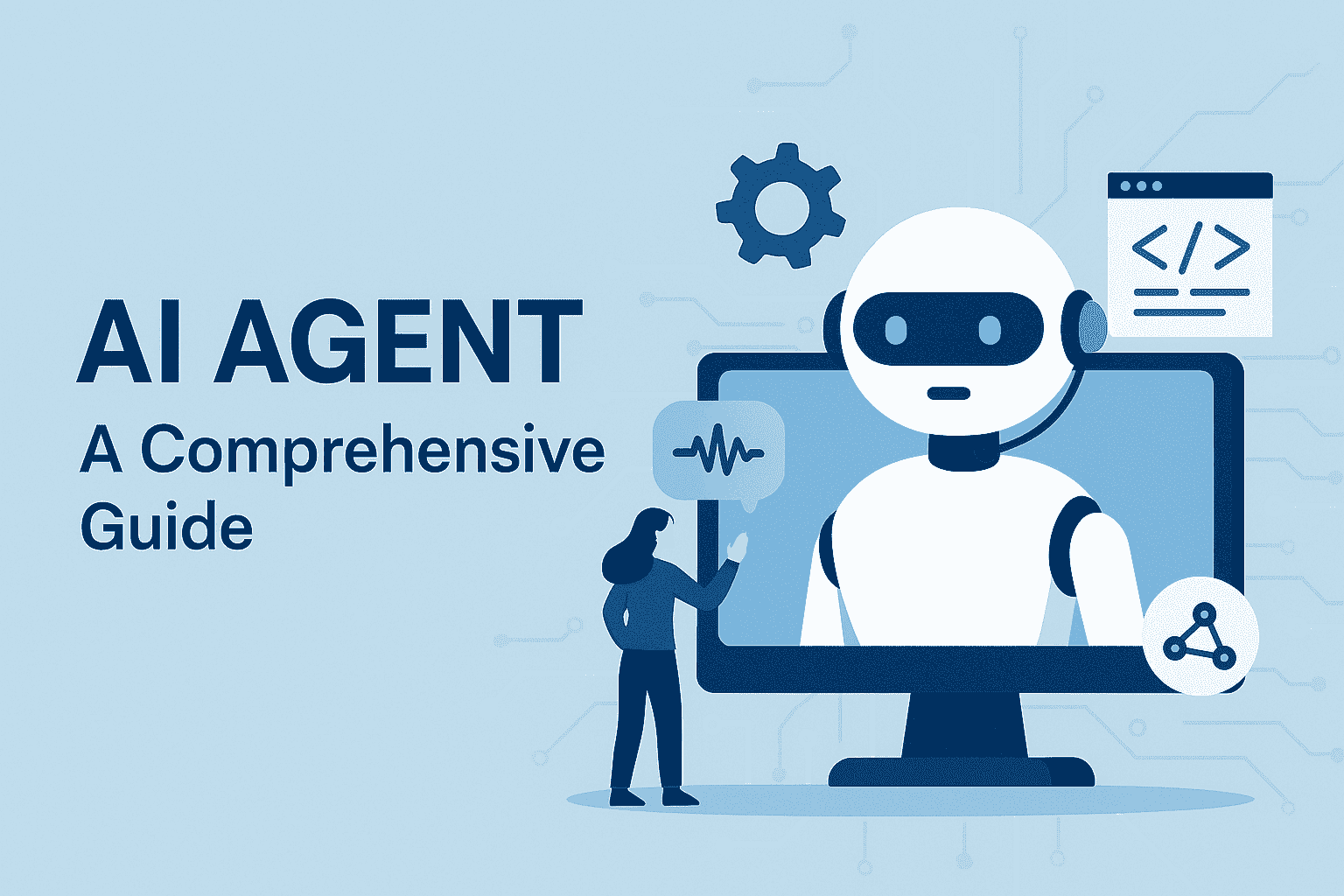
Unleashing Possibilities: Understanding the Impact of AI Systems on Labor Dynamics


In recent years, the emergence of artificial intelligence has triggered revolutionary changes throughout various sectors, notably in the workforce. AI agents, which are autonomous software entities developed to carry out specific tasks and make decisions, are at the forefront of this transformation. These cognitive systems are not just tools; they represent a substantial shift in how we approach work, efficiency, and productivity in modern businesses.
Understanding what AI agents are and how they work is crucial for both large organizations and small enterprises seeking to traverse the complexities of the modern digital landscape. This guide will investigate the multifaceted impact of AI agents on workforce dynamics, showcasing their capabilities, differences from traditional AI chatbots, and the various ways they can automate everyday business tasks. As we explore further, we will discover how AI agents are revolutionizing customer service, boosting marketing strategies, and optimizing operational efficiency, ultimately revealing new potentials for growth and success in business.
Grasping Artificial Intelligence Agents
Artificial intelligence agents are independent systems designed to carry out tasks bypassing continuous human input. These agents leverage machine learning and natural language processing to comprehend their surroundings, formulate decisions, and carry out tasks autonomously. Additional reading can examine data, engage with users, and adjust their behavior based on responses, making them a key element of modern advancements.
The significance of AI agents lies in their capability to deal with repetitive or complex tasks that would usually require human effort. By streamlining these processes, businesses can boost efficiency, refine accuracy, and free up human resources for more tactical functions. This shift allows organizations to improve their operations and react more efficiently to market demands.
To thoroughly capitalize on the capabilities of AI agents, it is important to comprehend their multiple applications across various sectors. From boosting customer support through tailored interactions to driving marketing campaigns with analytics-based insights, AI agents are changing how businesses operate. As innovation continues to progress, so does the importance of AI agents in molding workforce dynamics and prospective innovations.
AI Agents in Commerce
AI bots are becoming integral to modern commerce environments, streamlining operations and improving productivity across diverse sectors. These autonomous entities can execute a variety of tasks, from addressing customer inquiries to coordinating supply chains with little human intervention. As organizations increasingly adopt AI agents, they unlock novel efficiencies, enabling their workforce to prioritize strategic initiatives instead of repetitive tasks. This transition marks a notable shift in workforce dynamics, where employees collaborate with AI solutions to achieve improved outcomes.
One of the notable effects of AI agents in commerce is their ability to enhance customer service and support. By streamlining responses to usual inquiries, AI agents provide quick and accurate assistance, leading to greater customer satisfaction rates. Organizations that utilize these agents typically see a reduction in response times and an increase in engagement, which can contribute to longer-term customer loyalty. Moreover, AI bots are capable of analyzing large volumes of data to tailor responses and predict customer needs, thereby improving the customer experience.
Moving forward, the role of artificial intelligence agents in commerce is set to become even more prominent. As tech continues to evolve, AI agents will take on additional complex tasks, including decision-making and predictive analytics. This progress is expected to fuel innovation across industries, supporting superior business intelligence and resulting in smarter operational strategies. By adopting artificial intelligence bots, businesses not only improve their current practices but also position themselves to respond to future trends in the workforce, building a more agile and adaptable business model.
Future Trends and Best Practices
As AI agents continue to evolve, one notable trend is the increasing integration of ML capabilities. These improvements will allow AI agents to adjust and gain knowledge from interactions, providing more personalized and efficient solutions for businesses. The capacity for self-enhancement through analyzing data will drive AI agents to deliver insights that were not accessible before, allowing businesses to make better decisions faster and more accurately. Organizations will need to commit resources to training their agents to harness this potential fully, guaranteeing they stay competitive in a rapidly changing landscape.
Another key trend is the growth of collaborative AI agents, which work in tandem to address complex tasks and simplify processes. This multi-agent approach allows for the effective management of operations, where agents can assign responsibilities to each other based on their strengths and skills. Businesses should prioritize designing systems that facilitate cooperation between their AI agents, enabling smoother integration and maximizing the total efficiency of their workforce. Best practices will involve developing defined communication methods and building a strong framework for agent interactions.
Lastly, as the utilization of AI agents expands, the importance of ethics and information security will become crucial. Businesses will need to prioritize openness and create guidelines for responsible AI usage to preserve customer trust. Adopting effective strategies for data protection will ensure that confidential information remains secure while taking advantage of the benefits of automation. Organizations that actively tackle these aspects will not only comply with regulations but also establish themselves as leaders in the responsible deployment of AI technology.