These Concealed Champions: Surveying in Eco-friendly Construction


In the realm of eco-friendly construction, there are often unseen professionals whose expertise is crucial to any success of any project. Land surveying are essential yet frequently overlooked components that lay the groundwork for sustainable development. Surveyors provide critical insights that ensure projects not only comply with legal standards but also adhere to environmental best practices. As more builders and developers recognize the importance of integrating sustainability into construction, the role of professional surveyors grows even more significant.
Understanding the different aspects of surveying services can enlighten property owners and developers alike. From boundary surveys that mitigate conflicts to topographic surveys that inform design, professional surveyors are the key to navigating the complexities of land development. In this piece delves into the unsung champions of the construction industry, exploring why hiring a qualified surveyor is a vital step in any project, and how their expertise can ultimately save time, money, and resources.
Grasping Surveying Solutions
Surveying services are vital for every construction project, providing precise data and information essential for development. A professional surveyor utilizes sophisticated technology and methodologies to analyze land characteristics, such as landforms, boundaries, and current infrastructure. Great post to read is critical for architects, construction professionals, and developers to plan projects that comply with community regulations and land-use laws.
One of the primary roles of surveying solutions is to map out property lines and determine legal boundaries. This process prevents disputes between landowners and confirms that construction is conducted within legal parameters. Accurate surveys help property developers recognize potential problems before they happen, allowing for more efficient project implementation and compliance with environmental standards.
In addition to boundary and topographic surveys, there are numerous specialized surveys, such as ALTA/NSPS surveys, which address to the particular needs of property transactions, structural development, and land subdivision. By contracting a professional surveyor, clients can manage complex land use planning and zoning regulations issues, confirming that each project element is grounded in accurate data and comprehensive analysis.
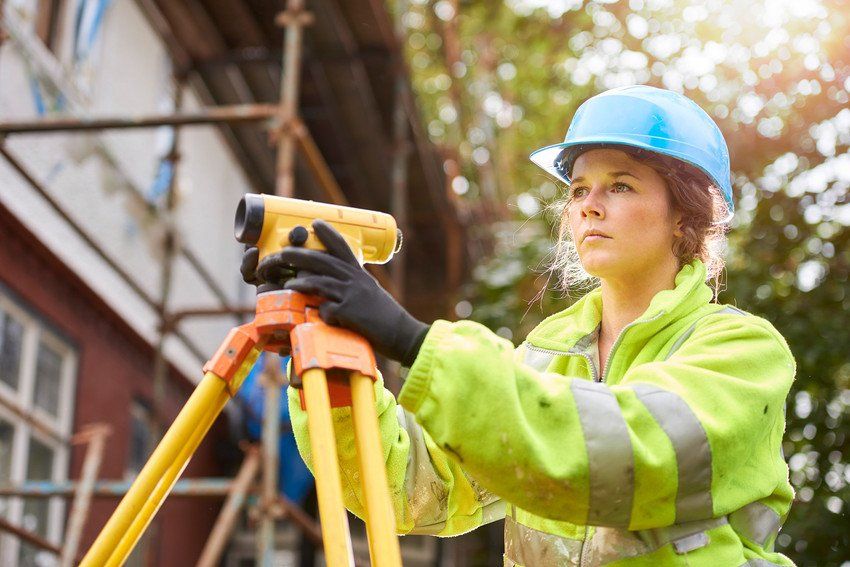
The Effect of Precise Surveys
Exact land surveys have a crucial role in the basis of any building project. They offer vital data that guides design decisions, ensuring structures are constructed in the correct location and in compliance with zoning regulations. By establishing clear boundaries, surveys avoid misunderstandings among property owners and assist prevent potential legal issues down the line. This accuracy not only defends property rights but also fosters trust between developers, builders, and clients.
Furthermore, the impact of precise surveying extends to cost efficiency in construction. When surveys are performed precisely, they minimize the potential for financially burdensome errors and reworks during the building phase. For property developers, this means staying within budget and adhering to project timelines. Accurate surveys also assist in acquiring necessary permits, ensuring that projects proceed smoothly without unexpected delays, making them a vital investment for any construction undertaking.
In addition, the increasing integration of tech, such as Global Positioning System and UAV surveying, improves the precision and efficiency of land surveys. These developments enable surveyors to collect data quickly and accurately, providing detailed insights that direct construction decisions. As a result, the reliance on precise surveying remains significant in importance, shaping not only project success but also advancing sustainable development practices in the construction industry.
Choosing and Working with Land Surveyors
Selecting the best land surveyor is a critical part in any real estate project. Start by seeking suggestions from builders, architects, or associates who have recently completed comparable ventures. Checking credentials is important; make sure that the land surveyor is licensed and holds the required certifications. Review their experience in your specific projects, whether it's housing, commercial, or environmental. A reputable land surveyor should be ready to provide references and illustrations of previous projects to boost your assurance in their capabilities.
Once you have identified potential surveyors, conduct in conversations to understand their approach and strategies. Ask about the technology they use, such as GPS and drones, as this can influence the accuracy and productivity of the surveying process. In addition, check about timelines and fees upfront to avoid any unexpected issues later on. A good surveyor will be transparent about costs and outcomes, ensuring you are aware of what to look forward to throughout the survey process.
Establishing a solid collaborative partnership with your selected surveyor can considerably enhance the overall experience. Keep channels of dialogue open and be clear about your objectives and any likely obstacles. Provide the surveyor with all essential documentation, including property deeds and prior survey information, to facilitate accurate results. By working closely, you can make certain that the surveying services align precisely with your requirements, which contributing to a more seamless and more successful building process.