Solar Power Unplugged: Breaking Down the Myths


As global attention turns to sustainable energy sources, solar energy stands out as a prominent alternative for homeowners seeking reduce their environmental impact and energy costs. However, despite its increasing popularity, numerous myths and misconceptions still surround solar energy and solar panels. From concerns about performance in cloudy climates to myths regarding significant installation costs, many potential users remain reluctant to make the switch.
In this article, we aim to break down these myths and provide you with a thorough understanding of solar panels. We will explore a wide range of topics, including how solar panels work, the true costs involved, available incentives, and the long-term benefits of solar energy. Whether you're a homeowner planning on installing solar panels for the very first time or simply curious about how this technology can benefit you, we will arm you with the knowledge necessary to make informed decisions about solar energy.
Benefits of Solar Investment
Investing in solar energy systems provides substantial long-term reductions on utility costs. Homeowners can greatly diminish or even remove their dependency on traditional electricity sources, leading to predictable energy costs over time. With increasing electricity prices, the capability to produce your own electricity provides a cushion against growing energy bills. By switching to solar energy, homeowners can regulate their energy usage and appreciate the instantaneous advantages that come with lowered utility costs.
An additional compelling reason to invest in solar energy systems is the advantageous effect on property value. Homes equipped with solar systems often witness an increase in property worth, which makes them more attractive to prospective purchasers. This increase is particularly crucial in a real estate market that increasingly prioritizes eco-friendly and green living. As more consumers become environmentally conscious, properties with renewable energy solutions like solar systems are likely to be in more demand.
In addition to monetary benefits and higher real estate value, solar energy systems contribute to significant environmental benefits. By opting for solar energy, homeowners play a role in reducing their carbon footprint and backing a more sustainable energy future. The use of renewable energy reduces reliance on fossil fuels, reducing carbon emissions and supporting cleaner air and a healthier planet. This eco-friendly investment not only benefits individual homeowners but also supports international initiatives toward environmental sustainability and fighting climate change.
Comprehending Solar Systems
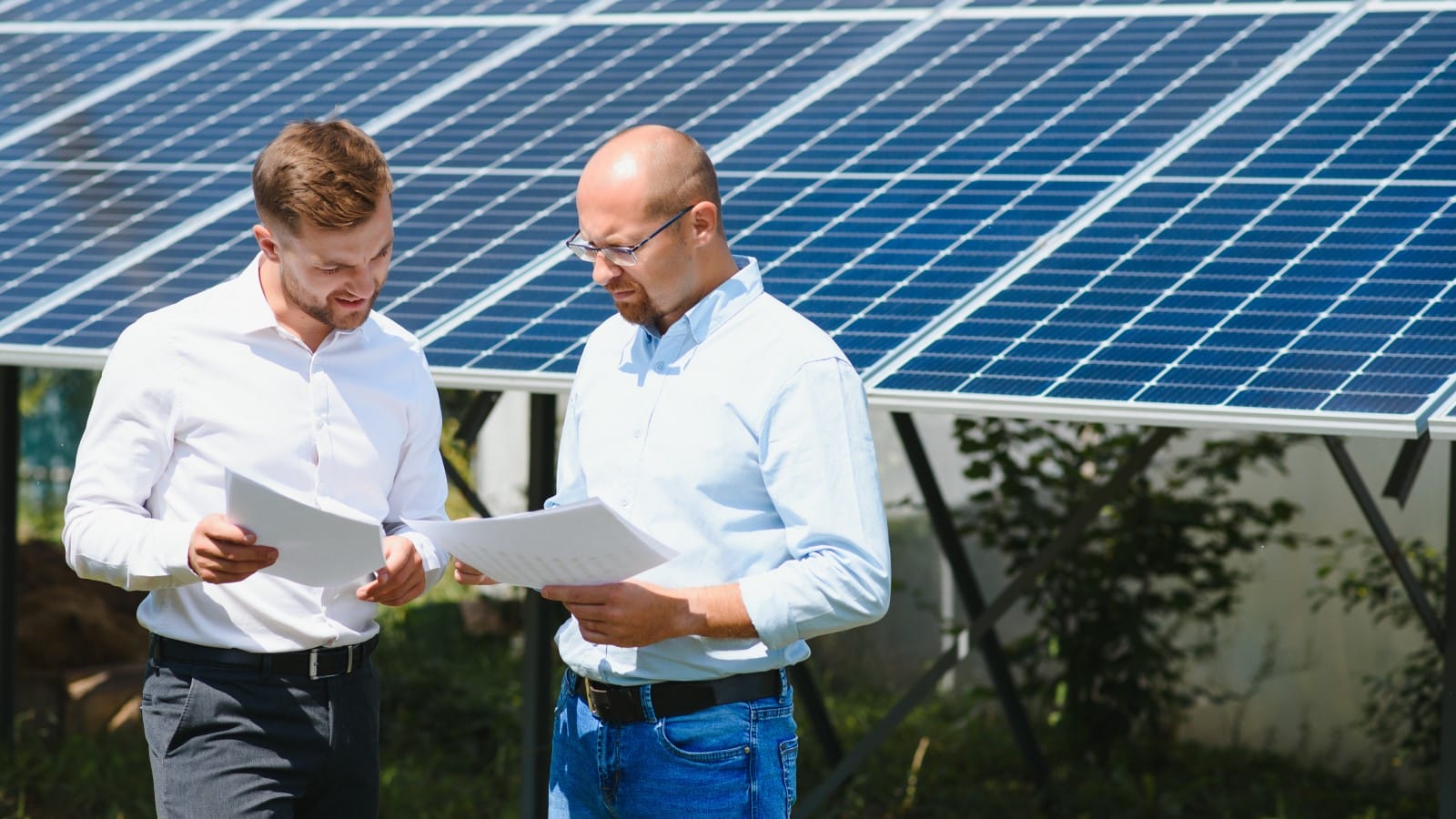
Solar cells change sunlight into power through a method called the photovoltaic effect. When sunlight strikes the solar cells, it excites charged particles, creating an electrical flow. These cells are generally made from silicon, which is a conductive material essential to their operation. The amount of electricity generated depends on various factors, including the intensity of sunlight, the angle of the panels, and temperature.
In supplement to the solar panels themselves, a complete solar power setup consists of inverters, energy storage systems, and additional components. Inverters transform the direct current generated by the solar panels into alternating current, which is the type of electricity consumed in homes. Batteries can be used to store excess energy produced during bright days for use during the evening or cloudy days, enhancing self-sufficiency and consistency.
Understanding solar technology also entails recognizing the differences between various types of panels. Single-crystal panels, known for their elevated efficiency and aesthetic appearance, are often higher-priced. In comparison, Multi-crystal panels, while usually more affordable, may have a slightly lower efficiency rate. Knowing these distinctions can help property owners make knowledgeable decisions when investing in solar energy solutions tailored to their needs.
Expense and Financial Aspects
Investing in solar panels involves several financial aspects that homeowners should carefully evaluate. One of the first factors is the initial installation cost. The price of solar panel systems can differ significantly based on factors including system size, panel type, and installation complexity. As of 2026, prospective homeowners should take into account the true cost, which comprises not only equipment and installation but also maintenance and potential upgrades. Grasping these costs will help in making informed financial decisions about investing in solar energy.
Another important point is the ongoing savings that solar panels can provide. By generating personal electricity, you can significantly lower or even eliminate your electricity bills, which translates to considerable savings over the lifespan of the system. Additionally, Battery Storage Banbury , government tax credits, and rebates can offset the upfront costs, making solar energy more affordable. Homeowners should analyze the rate on investment (ROI) from these savings and incentives to assess whether solar energy is a worthwhile financial investment.
Lastly, when considering solar energy, it is essential to understand financing options open for homeowners. Many providers offer flexible financing solutions, such as solar leases or loans, allowing individuals to adopt solar energy without the burden of high upfront costs. Shared solar initiatives also provide an viable option for those not able to install panels on their properties. By exploring these diverse financial pathways, homeowners can find a plan that aligns with their budget and financial goals while reaping the benefits of renewable energy.