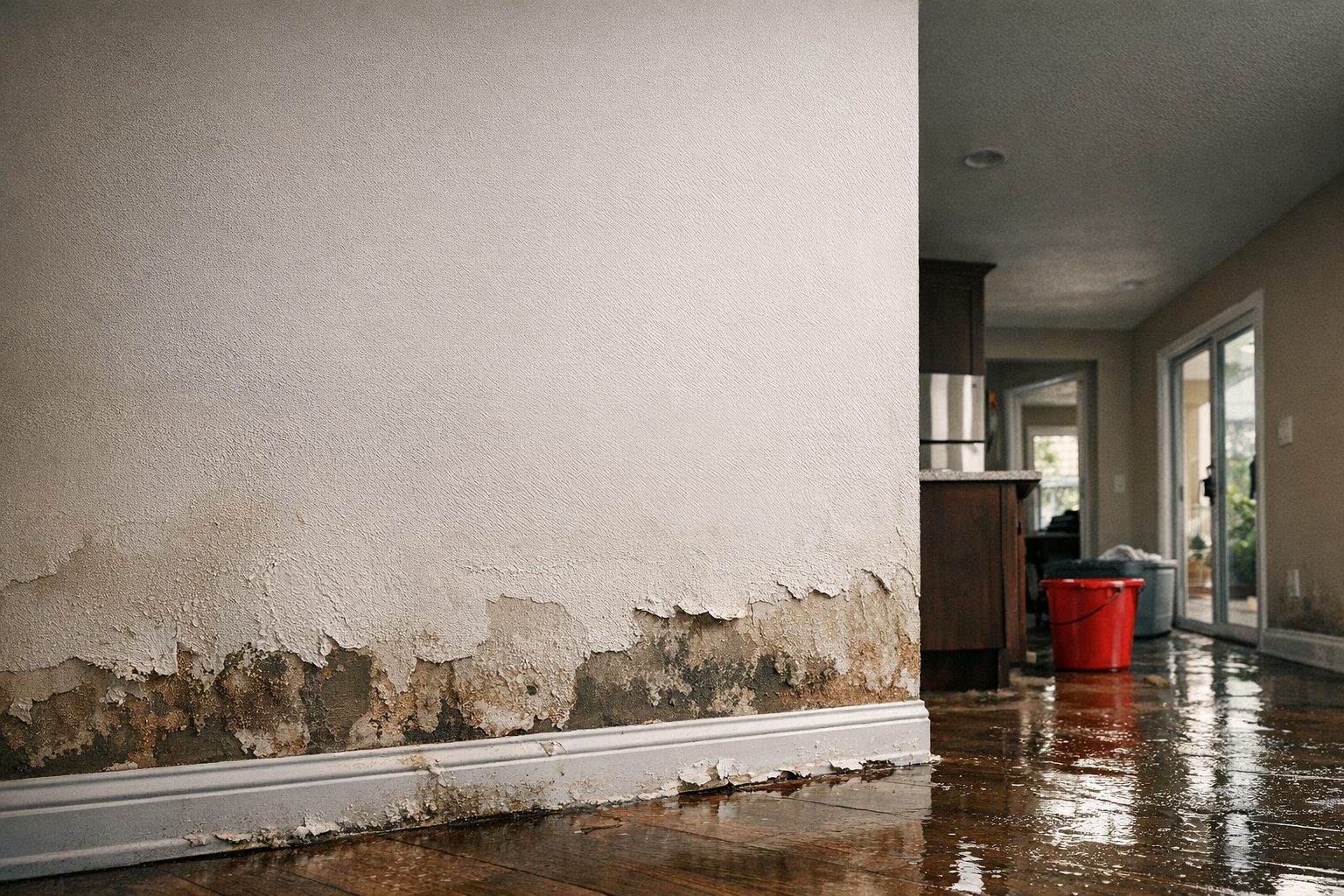
Restoring Your Space: The Craft of Water Damage Restoration


Encountering moisture damage in your home can be a stressful situation that causes you feeling uncertain about what to do afterwards. From broken pipes to leaky roofs, the causes of water damage are varied, and the outcomes can vary significantly. Understanding how to efficiently restore your home after such an event is essential not only for the protection of your property but also for the security and hygiene of those dwelling in it.
In this thorough guide to water damage restoration, we will discuss the immediate actions to take post water damage, the risks that neglected damage can present, and how professional restoration services can help you time. We will also address common causes of flooding, signs that indicate you might need urgent support, and the significance of timely action in preventing subsequent complications like mold growth. Whether you're dealing with a small leak or a significant flood, understanding how to approach the situation can be crucial in recovering your home.
Prompt Steps Post Water Damage
After suffering liquid injury in your house, the primary measure is to guarantee your protection. Extract yourself and any family individuals from the impacted area, especially if there are electrical appliances or wires vulnerable to water. If it is safe to do so, turn off the electricity in the affected areas to prevent any electrical dangers. It is imperative to assess the situation and determine whether the damage is significant enough to necessitate specialized help.
After you have ensured yourself, it is crucial to start removing as much water as you can. Should you have access to a wet/dry vacuum, utilize it to extract standing water. Alternatively, you can use towels or mops to take in as much humidity as you can. The faster you act, the more unlikely it is that extensive damage will happen. Every minute counts, as extended exposure to water can lead to more critical issues like fungus growth.
Following addressing the immediate water elimination, record the damage carefully. Take water damage restoration mesa az and make observations of the affected areas, including furniture, appliances, flooring, and any structural concerns. This recording will be crucial for claim claims and can help you keep track of what was damaged, facilitating in your repair process. Adhering to these actions can help mitigate the damage and lay the groundwork for successful restoration initiatives.
Understanding Water Damage Recovery
Water damage remediation is the procedure of bringing back a property to its original form after an event involving water. This could stem from a range of causes, including burst pipes, damaged roofs, or heavy rain. The key aim of restoration is to mitigate the impact of water damage, which can be significant if not managed in time. Comprehending the phases involved in the restoration method is essential for property owners to efficiently oversee repairs and prevent more damage.
One essential aspect of water damage recovery is the evaluation of the harm. Professionals conduct thorough inspections to determine the level of the water intrusion and any subsequent injury to the building and items of the home. This inspection helps in establishing the correct restoration strategy. Following the assessment, water removal is conducted using specialized equipment to remove standing water, which is essential in reducing the likelihood of mold growth and structural complications.
After removal, the drying process begins, which involves using heavy-duty fans and dehumidifiers to get rid of moisture from surfaces, surface, and other materials. Proper drying is critical to prevent unseen water damage that could lead to more issues. The full restoration method not only focuses on cleaning and drying but also involves fixing any harm to the property, including dividers, overheads, and insulating material, thus returning the home to a protected and habitable condition.
Preventing Future Liquid Deterioration
Avoiding future moisture deterioration in your residence demands a preventive approach to care and regular checks. Start by frequently checking Additional info for seepage or signs of wear. Review tubes linked with devices, such as laundry machines and coolers, and change them every 5 years to avoid sudden breaks. In addition, pay attention to fixtures in bathrooms and culinary spaces; merely small seepage can cause considerable damage as time goes on.
A different key component to consider is your home's water drainage system. Ensure that gutters and drain pipes are unclogged of debris and channel liquid away from the structure. Adequate land grading around your home can further help redirect water runoff, preventing it from gathering near the foundation. Yard arrangements choices play a vital role in water handling as well; contemplate sourcing local vegetation that utilize lower liquid and will prosper in your environment to lower water usage.
In conclusion, spend in some protective technologies, such as water leak detection systems and sump pumps with battery backups. These systems can alert you to all leaks and help mitigate damage before it grows. Regular care of your roof is also crucial; missing shingles or damaged flashing can cause seepage during intense rainfall. By taking these measures, you can greatly minimize the risk of potential water damage and guarantee your residence continues to be a sanctuary.