Looking Ahead at Comfort: Why Heat Pump Technology has become a Game-Changer.


Because property owners increasingly look for effective and eco-friendly options for their climate control needs, heat pumps are becoming as a transformative solution. Such advanced systems not just offer cozy indoor settings throughout the year but also vow to greatly reduce energy bills and diminish carbon footprints. The shift towards heat pumps is already well underway, and as we look to 2026 and further into the future, grasping their benefits, efficiency, and installation methods is becoming essential for those thinking about an enhancement.
In this piece, we will explore everything property owners should to know about heat pumps, from their outstanding efficiency compared to classic HVAC systems to the optimal methods for setting up and maintenance. No matter if you live in a frigid area like Colorado or are just looking for methods to improve your house's energy-saving capabilities, these systems offer a feasible solution that meets the requirements of contemporary living. Join us as we explore the future of home comfort and how heat pumps could be the breakthrough you've been hoping for.
Comprehending Heat Transfer Systems
Heat transfer systems are innovative climate control solutions that transfer heat from one location to another rather than creating it through combustion or electrical resistance. They function by applying a coolant to capture heat from the external environment, ground, or water and then transferring that heat inside the home during the cold season. In the summer, the cycle is reversed, allowing the heat pump to act as an AC unit by extracting warm air from the house and discharging it into the external environment. This adaptability makes heat pumps a popular choice for year-round climate control.
One of the key pros of heat pumps is their energy-saving capabilities. Unlike traditional HVAC systems that generate heat or cool air by using significant amounts of power, heat pumps move existing heat, which needs much less energy to run. As a result, they can offer significant cost savings on utility costs. Energy efficiency ratings often reach up to three or four times higher than conventional systems, making them an eco-friendly option that can help lower harmful emissions.
With progress in tech, heat pumps are becoming increasingly effective even in cooler climates. Many modern systems are engineered to perform efficiently at lower temperatures, overcoming some of the limitations of outdated models. Air Source Heat Pumps Barnsley Yorkshire can reap rewards from this innovation by achieving consistent home comfort while also benefiting from the enduring advantages of lowered energy usage and maintenance demands. As we move into the next decade, heat pumps are poised to change home temperature management, making them a game-changer for homeowners around the globe.
Benefits and Efficiency
Heat pumps offer many benefits that make them an desirable option for residents seeking to enhance their climate control solutions. One of the primary advantages is their energy effectiveness. Heat pumps transfer heat rather than generate it, allowing them to provide up to 4 times more energy in the form of heat than they require in electricity. This high efficiency leads to lower energy bills and decreased environmental impact. Homeowners can enjoy cozy indoor temperatures year-round while minimizing their carbon footprint, making heat pumps an eco-friendly choice.
In besides their efficiency, heat pumps provide versatile climate control. They can both provide both heating and cooling, eliminating the need for individual HVAC systems. This dual functionality not only saves space but also simplifies maintenance and installation. With advancements in technology, current heat pumps can effectively operate in a variety of temperatures, making them suitable for various climates. Residents can rely on a one system to meet their climate needs, streamlining their home comfort solutions.
Another important benefit is the potential for financial incentives. Many residents can take leverage rebates and tax credits when installing a heat pump, further enhancing the return on investment. Over time, the cost savings from lower energy bills, combined with these financial incentives, can make a heat pump a smart long-term investment. As residents consider modernizing their HVAC systems, the combination of efficiency, versatility, and potential savings positions heat pumps as a revolutionary solution for future home comfort.
Installation and Upkeep
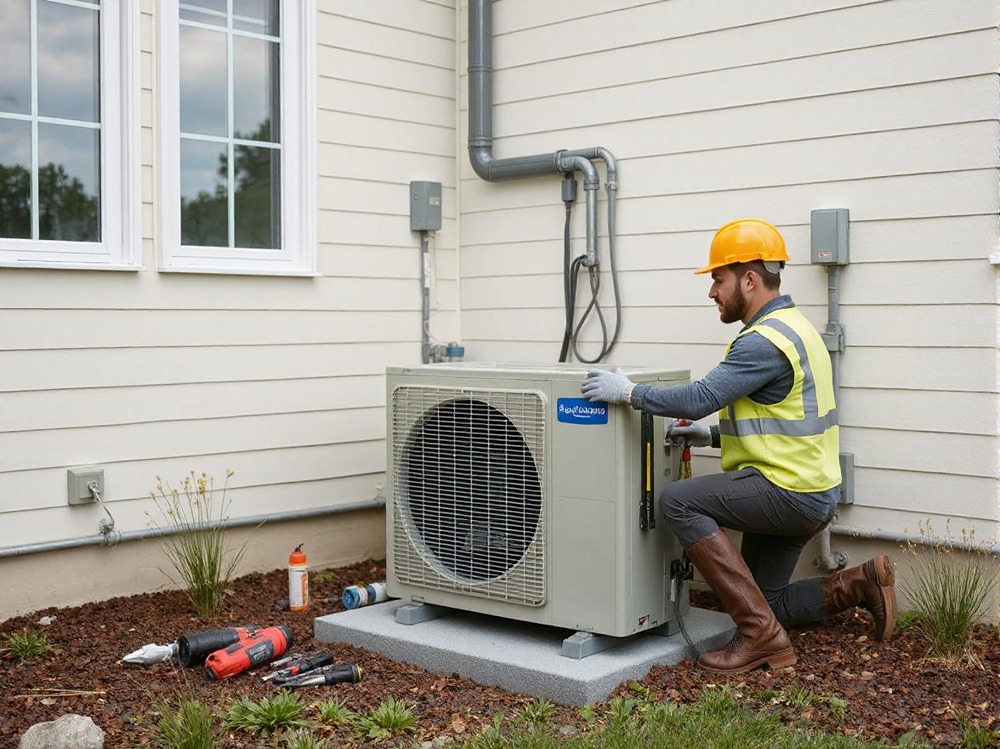
When considering the placement of a heat pump, it is important to choose a dependable and experienced installer. A trained technician can assess your specific needs and recommend the appropriate type and size of heat pump for your house. Proper installation is crucial not only for unit efficiency but also for longevity. The placement process typically entails placing the indoor and outdoor units in best locations, joining them through refrigerant lines, and ensuring proper electrical and drainage systems are in order.
Routine maintenance of your heat pump is essential to ensure its performance and extend its lifespan. Homeowners should arrange annual services with a qualified technician who can inspect the system, clean components, and identify potential issues before they become major problems. Additionally, homeowners can conduct routine maintenance tasks, such as swapping filters, cleaning the outdoor unit, and monitoring for any unusual noises that might indicate a malfunction.
Knowing common heat pump issues can aid in solving and prevent extended downtimes. Homeowners should be aware of signs indicating that something is wrong, such as insufficient heating or cooling, strange noises, or higher energy bills. By addressing these concerns promptly and maintaining a regular service schedule, homeowners can enhance their heat pump's efficiency and comfort level throughout the year.