Home Theater Design: Combining Aesthetics and Usability


Building a residential theater is not just investing in state-of-the-art equipment; it's focused on designing an experience that blends aesthetics, coziness, and practicality. As we welcome a new era of entertainment, numerous homeowners are turning their spaces into specialized movie-watching environments that compete with commercial theaters. In this resource, we'll discuss how to combine design elements with practical elements to design the ultimate home theater.
From selecting the appropriate projector and sound system to considering seating options and lighting, every element plays a key role in achieving that theatrical feel. Whether you have a spacious basement or a cozy room to work with, the ideas and tips in this piece will assist you convert your concept into reality. Let's explore the definitive guide to creating your perfect home cinema.
Key Features for Your Home Cinema
Creating the best home cinema involves a combination of tech, comfort, and design. One of the first features to consider is the screen. A top-notch projector can deliver a cinematic experience that a typical television cannot equal. When choosing a projector, consider aspects such as resolution, light output, and throw distance. For a more enthralling experience, an ultra-short throw projector can be perfect for smaller spaces, allowing for a large image without the requirement for a significant distance from the projection surface.
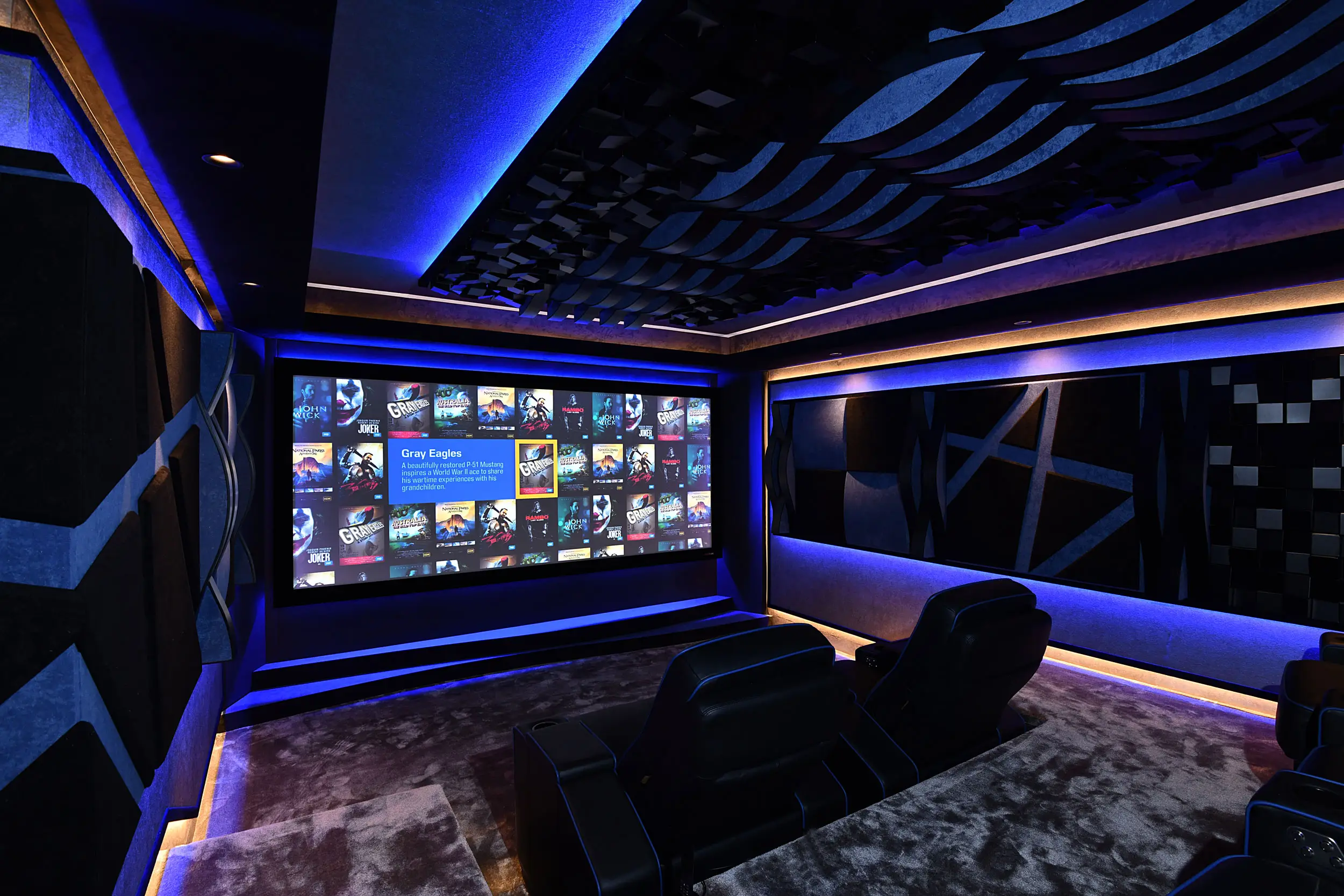
Another key feature is a surround sound system. Audio fidelity can decide your home cinema experience, and putting money in a reliable surround sound setup is crucial. Setups that are compatible with Dolby Atmos provide an superior audio experience with spatial sound, creating a more captivating environment. Additionally, incorporating a high-performance subwoofer will add depth to your audio, allowing you to feel the impact of action sequences and music in ways that elevate your experience.
Ergonomic seating is a critical aspect of enjoying movies at home. Look for furniture styles that merge luxury with functionality, such as recliners with built-in beverage compartments and USB outlets. Arranging Click here for more seating in a way that optimizes sightlines to the display is also necessary. Consider risers if you have several rows of rows of seating to ensure viewers has an full view. Selecting the appropriate seating will not only enhance your relaxation during long movie marathons but also contribute to the overall aesthetic of your home cinema.
Setting Up Your Space: Layout and Style
When planning your theater, the layout is important to establishing an immersive experience. Start by evaluating the shape and dimensions of your area. An excellent home theater generally features a rectangular space, providing for maximized seating arrangements and sound delivery. Set the screen at eye level, guaranteeing that the viewing distance is suitable based on the size of your screen. This considerate layout will enhance ease and immersion while watching movies or viewing shows.
Incorporating style into your home cinema is also important. Opt for a design theme that reflects your individual taste—be it modern, traditional, or cozy. Utilize colors and materials that complement the overall aesthetic of your home while confirming that they enhance the visual experience. Richer paint colors or wallpapers can help reduce light reflection, while a chic yet useful screen frame can become a centerpiece. Additionally, careful decorative elements like prints and lighting fixtures can elevate your cinema's atmosphere, making it a space you love to enjoy.
Inviting seating is a key feature of a thoughtfully created home cinema. Pick seats that are not only visually appealing but also provide sufficient support during long movie sessions. Recliners, sofas, and even custom-built seating can be set up in tiers to give each guest a clear view of the screen. Think about the distance between rows to ensure easy access and satisfaction for all guests. By merging layout and style with utility, your home cinema will become a cherished retreat where you can enjoy movies in the comfort of your home environment.
Budget-Friendly Advice for Residential Movie Theaters
Creating a residential movie theater does not have to be expensive. Start by recycling existing furniture and decorations to set up a comfortable viewing environment. Instead of investing in View website -priced recliners, consider utilizing comfortable couches or even floor cushions. You can also customize your space with do-it-yourself decor, such as film posters or art with themes, which can boost the atmosphere without substantial costs.
When it comes to tech, search for discounts on refurbished or last year's models of video projectors and sound systems. These often provide great quality at a fraction of the price of the most recent models. Additionally, leveraging streaming services can save you from spending on expensive cable packages. Focus on essential equipment, ensuring you allocate your funds to items that will noticeably enhance your viewing experience.
Finally, consider clever ways to manage lighting and acoustics without spending too much. Simple changes like blackout curtains or using rugs and plush items can greatly improve sound quality and room atmosphere. Furthermore, using basic soundproofing techniques, such as sealing gaps in windows and doors or utilizing heavy drapes, can boost your viewing experience while keeping costs minimal.