Goodbye Dear Friend: A Stress-Free Way to Selling Your Automobile


Selling your vehicle can be a heartfelt but important journey, particularly when it's time to let go to a car that has been a loyal companion. Regardless of whether you are upgrading to a new model or just needing a different transportation option, the journey of divesting your vehicle does not have to be overwhelming. With the necessary knowledge and a bit of forethought, you can transform what may seem like a formidable job into a hassle-free and effective experience.
In this guide, we will examine 30 insightful tips that will help you divest your vehicle promptly and simply. From understanding the necessary paperwork to deciding whether to sell online or exchange at a dealership, we will address everything you need to know. We'll also delve into how to get the best price while steering clear of typical mistakes that many car owners experience. So, if you are ready to embrace this transition with confidence and clarity, let’s get started and explore how to facilitate the car selling process as smooth as possible.
Smart Sales Tips
Parting with your car might seem overwhelming, however employing the right strategy, it does not need to be. Start by carefully researching your vehicle’s market value. Websites like Kelley Blue Book plus Edmunds may provide you with a reliable estimate considering your car’s make, model, year, and condition. Knowing this value enables you to set a fair and accurate price. Remember, buyers are more likely to show curiosity in reasonably priced cars, leading to can lead to quicker sale.
Presentation is key when marketing your car. Clean your vehicle interior and out, ensuring it looks its best for potential buyers. Take quality photos in favorable lighting and from various angles to create an engaging online listing. A compelling description is also important; emphasize your car's features, maintenance history, and any latest upgrades. The more care you put into showcasing your car, the more likely you are to draw in serious buyers.
Finally, stay active in your selling process. Advertise your car on numerous platforms, including online marketplaces and social media. Engaging with potential buyers quickly may facilitate faster negotiations. Be prepared for questions and be truthful about your car's condition, as honesty builds trust and may expedite the sale. With these tips in mind, you’ll be easily on your way to a stress-free selling experience.
Assessing and Valuing Your Car
When you decide to dispose of your car, the initial step is assessing its current market value. This includes researching the values of like models in your area. Websites like NADA Guides offer tools that can help calculate your car's worth based on its age, mileage, condition, and location. Sell My Car Loch Lee Angus to be honest about your car's condition and be prepared to modify your expectations based on existing market trends.
Once you have a foundation price, consider extra factors that may impact your car's value. Attributes such as the make and model, color, and any upgrades can have a favorable impact on pricing. Alternatively, factors like excessive mileage or a history of collisions may warrant a reduced price. Taking the effort to gather this insight will equip you to set a attractive price that draws buyers promptly.
To additionally enhance your valuation, consider having a certified appraisal. This step can provide you with an expert opinion on your car's worth, especially if it's an vintage model or has special features. A comprehensive appraisal can also serve as a useful tool during discussions with potential buyers, providing evidence of your car's value and helping you obtain a more favorable sale price.
Guiding Transaction Processes
When you opt to trade your car, comprehending the selling process is essential for a smooth transaction. Begin by considering your choices: you can sell your car over the internet, exchange it in at a dealership, or market it to an individual. Each option has its specific set of perks. Digital platforms often provide a broader reach, while dealerships might streamline the process but typically offer reduced prices. Assessing these options helps you determine the most suitable path for your needs and guarantees that your sale experience is as hassle-free as possible.
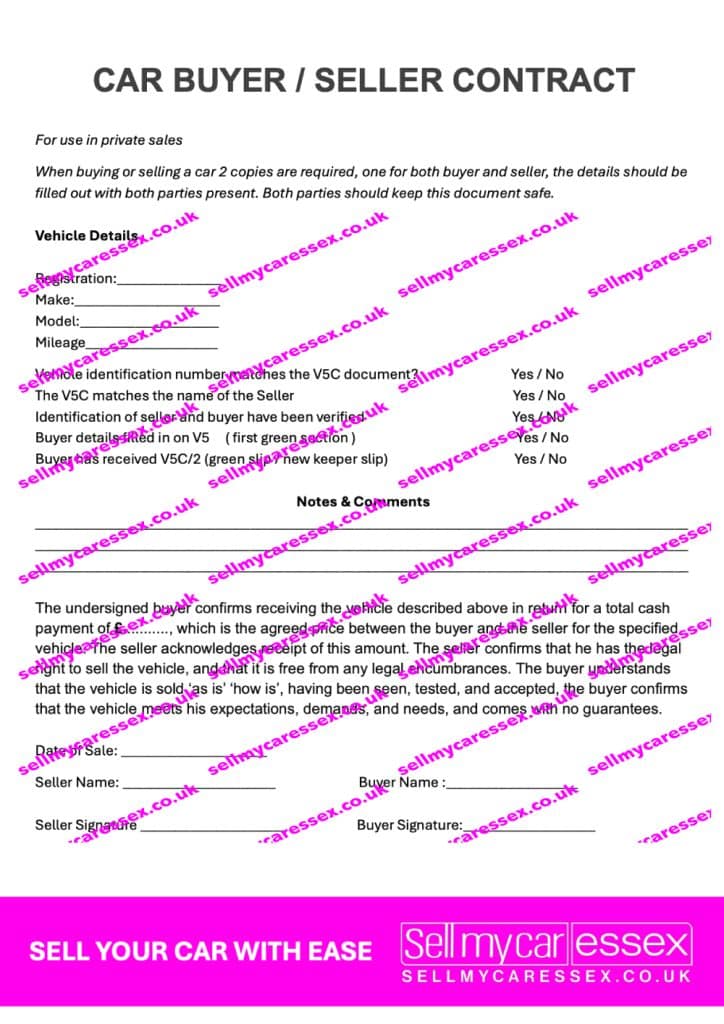
After settling on the sales method, gather all essential documents. Key documents includes the vehicle title, maintenance records, and any remaining finance information. If you're unsure what documents you need, consider investigating or talking to a specialist. Having the required materials ready can significantly expedite the sale and create confidence in potential buyers, making them more likely to conclude the deal quickly.
In conclusion, remember to make ready your car for inspections. A visually appealing vehicle can attract more buyers and lead to higher offers. Wash both the interior and exterior, fix minor repairs, and consider providing a detailed service history. By presenting your car in the optimal light, you boost its subjective value, making bargaining easier and ultimately helping you achieve a rapid and satisfying sale.