From The Sun to Financial Benefits: The Perks of Solar Power


As energy prices keep increasing while environmental issues become more pressing, residential customers are often looking towards solar power as a legitimate alternative. Solar panels provide not just a means to lower monthly energy costs but also an opportunity to support a more sustainable future. Choosing to invest in solar energy can be a significant one, although the benefits are abundant and extensive. In this piece, we will examine a variety of aspects related to solar panels, from their functioning to the economic benefits that homeowners can access.
If you're thinking about solar panels as a new option or planning to enhance your current setup, understanding the landscape of photovoltaic energy is vital. We'll cover all aspects, such as the real costs involved in installation, the distinctions between residential and commercial setups, to how solar panels may increase your property’s worth. Equipped with a plethora of details on financing options, upkeep suggestions, and myths that are widely believed but false, you’ll be prepared to decide wisely about going solar. Come along as we explore the various advantages why investing in solar panels could be a game changer for your property and finances.
Perks of Solar Power
One of the key advantages of solar energy is its potential for financial savings on utility bills. By utilizing sunlight to create electricity, homeowners can cut down or even eliminate their dependence on the grid. This creates substantial savings over time, as they no longer need to pay for traditional energy sources. Many people find that the initial investment in solar panels pays off quickly, especially with growing energy costs.
Solar energy is also a green and renewable resource, so it's an environmentally friendly option. Using solar panels aids reduce the carbon footprint of households and businesses, contributing to a reduction in greenhouse gas emissions. This shift towards renewable energy sources is essential in combating climate change and promoting a better planet for future generations.
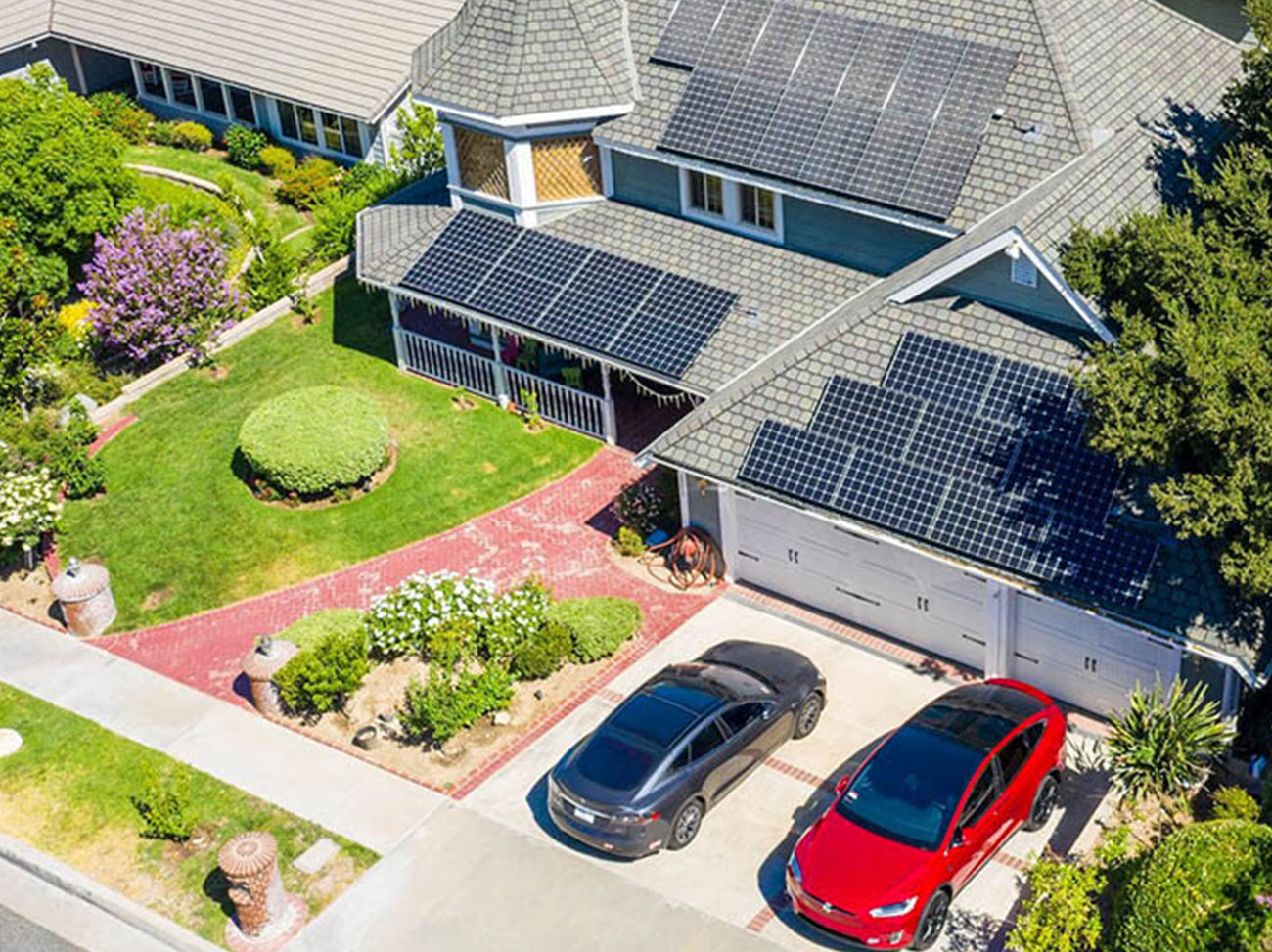
Furthermore, solar panels can raise the value of a property. Homes equipped with solar energy systems typically attract more buyers, as many people are becoming increasingly aware of the extended savings and environmental benefits of solar energy. In many cases, homeowners can look for a return on investment that makes their property more valuable in a competitive real estate market.
Setting Up Solar Panels
Installing solar panels is a important step toward lowering energy costs and transitioning to renewable energy sources. The process begins with a thorough assessment of your home's electricity consumption and roof suitability. Certified installers will evaluate factors such as roof orientation, shading from nearby trees, and local climate conditions to decide the most effective placement and type of solar panel system. This initial assessment is essential, as it helps increase energy production and ensures the system functions properly over its lifespan.
Once the assessment is completed, the next step is the physical installation of the solar panels. This procedure generally involves attaching mounting brackets to the roof, followed by the installation of the solar panels itself. Wiring is then connected from the panels to an inverter, which transforms sunlight into usable electricity for your home. After the installation, the system is hooked up to the existing electrical grid or battery storage, depending on the opted setup. It is essential that this phase is done by licensed professionals to ensure security and compliance with regional regulations.
After installation, ongoing maintenance and monitoring are key to enhancing the performance of your solar panels. Regular maintenance includes washing the panels to remove debris, checking for any problems, and making sure that the system is functioning as designed. Monitoring systems can alert homeowners to any issues that may emerge, allowing for immediate repairs. Knowing how to maintain your solar panel system will help guarantee that you enjoy the financial and environmental benefits for a long time to come.
Financial Aspects
Putting money in solar panels includes various economic considerations that homeowners must evaluate. The initial cost of purchasing and installing solar panels can seem daunting, but numerous realize that the long-term savings on utility bills render it a worthwhile investment. It's crucial to analyze the upfront costs alongside potential savings over time. Additionally, potential increases in property value can further support the initial outlay, making homes more desirable to future buyers.
Government incentives and tax credits additionally greatly affect the comprehensive financial landscape of solar panel investments. Various programs are available that can diminish the cost of installation and provide ongoing financial benefits. Some homeowners may further look into financing options, which can assist spread the costs over time and make solar energy more accessible. Understanding these incentives is vital for maximizing the financial benefits of switching to solar energy.
In conclusion, it's vital to consider the return on investment, particularly how solar panels can save money over their operational life. Many systems come with warranties that can remain valid for 20 years or more, and the potential for energy independence offers further financial security. Furthermore, considering Go here and the average performance of solar panels in specific climates can help homeowners determine how much they can truly save over time.