Engine Revitalization: Transforming Functionality with Carbon Detox


As get older while gather mileage, one common issue that many drivers face is the buildup of carbon deposits inside the motor. Engine carbon cleaning has become an effective solution to combat this issue, enhancing vehicle performance and extending its longevity. This process not only aids in restoring the efficiency of the engine but also plays a crucial role in boosting fuel efficiency and lowering harmful emissions. If you've ever asked yourself why your car might be struggling or how to unlock its maximum potential, learning about engine carbon cleaning can be a transformative experience.
In this piece, we will explore what exactly the process of engine carbon cleaning entails, the indicators that show your engine needs it desperately, and how this maintenance service can dramatically transform your car's performance. Covering the science behind carbon buildup to the benefits of hydrogen-based cleaning techniques, we will discuss everything you need to know to help you make informed choices for your vehicle's well-being. Whether your vehicle is on the brink of high mileage or you're simply looking to maintain its optimal performance, engine carbon cleaning could very well be the key to reviving your engine. spintax ### Understanding Engine Coke Cleaning
Vehicle carbon removal is a method intended to eradicate coke buildups that build up in multiple vehicle elements throughout its lifespan. These deposits can result from partial burning of diesel, causing diminished automotive output, reduced fuel efficiency, and higher exhaust. The cleaning method typically includes using specific tools or agents that target and dismantle the carbon layer, ensuring that the vehicle works more effectively and efficiently.
The primary goal of vehicle carbon removal is to return optimal function to the automobile by eliminating the impurities that hinder performance. As coke accumulates, it can block fuel injectors, constrict air flow in the intake system, and cause engine misfiring. By removing these deposits, soot cleaning enhances accelerator response, increases diesel economy, and can even help in clearing exhaust tests, which are progressively stringent in many areas.
Contemporary vehicles, no matter if they run on gasoline or diesel, are not exempt to soot accumulation. Market trends suggest that as motors have become more efficient, the demand for coke decontamination has increased. This implies that while advancements continues to evolve, routine maintenance, such as coke cleaning options, remains vital for preserving vehicle performance and lifespan.
Advantages and Effect on Efficiency
Engine carbon cleaning delivers many benefits that greatly enhance car performance. One of the quickest effects is the improvement in fuel efficiency. As Get more information accumulate in the combustion chamber and on engine components, they restrict the combustion process. Removing these deposits allows for better airflow and fuel atomization, resulting in more complete combustion. This efficiency not just helps in saving money at the pump but also leads to reduced emissions, making your vehicle more eco-friendly.
Another notable benefit is the improvement of throttle response and overall drivability. When carbon buildup limits airflow and creates uneven surfaces in the engine, it can result in sluggish performance and unresponsive acceleration. By performing a carbon clean, drivers often experience cleaner engine operation and more quick acceleration. This change can revitalize the driving experience, making the vehicle feel livelier and more engaging on the road.
Additionally, engine carbon cleaning plays a vital role in extending the overall lifespan of your vehicle. By eliminating harmful deposits that can lead to greater wear and tear on engine components, the process assists reduce the likelihood of costly repairs down the line. Regular carbon cleaning maintenance can thus be considered not just as an enhancement to performance but also as a proactive step for long-term vehicle health, making it a sound investment for both current and prospective vehicle owners.
Practical Aspects and Myths
As considering engine carbon cleaning, it is vital to assess the functional factors of the service. Many vehicle owners might question about the timing and frequency of carbon cleaning. In general, it is advised to have your motor carbon cleaned approximately fifteen thousand to 30,000 miles, depending on your driving habits and fuel quality. Watch for signs such as decreased fuel efficiency, rough idling, or increased emissions, which mean that it may be time for a clean. Talking to a professional can help you decide the right schedule for your vehicle.
There are a number of myths surrounding engine carbon cleaning that often lead to misconceptions. One prevalent myth is that carbon cleaning can fully address all engine issues, including misfires. While carbon cleaning can improve engine performance, it is not a magical solution; fixing underlying mechanical problems is necessary for a well-functioning engine. Another myth is that carbon cleaning is only necessary for older cars, but modern engines also gather carbon deposits that can obstruct efficiency and performance.
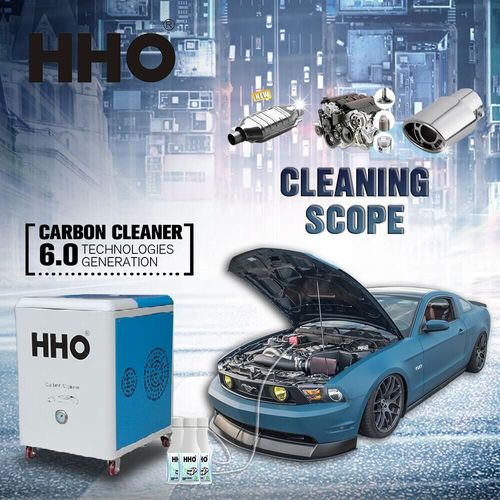
Finally, the success and safety of carbon cleaning methods have raised concerns among a few vehicle owners. Some believe that DIY carbon cleaning solutions can be just as effective as professional services. However, using incorrect methods or additives can lead to detrimental effects, which could damage engine components. Relying on qualified professionals and dependable services ensures that the cleaning process is done safely and effectively, maximizing the benefits and extending the life of your vehicle.