Electricity Monitoring: Keeping Your Home Protected with Wiring Inspections


In the modern era, securing the safety of our homes is vital than ever, notably regarding electrical systems. With the escalating need on various electrical devices and appliances, grasping the significance of electrical inspections cannot be overstated. An electrical inspection serves as a key assessment for your home's electrical system, detecting potential hazards and confirming everything operates efficiently.
Frequent electrical inspections not only help maintain safety and additionally enhance energy efficiency and can prevent financially burdensome repairs down the line. Regardless if you are a new homeowner, a seasoned resident, or even managing a rental property, being proactive about electrical inspections can secure your investment and keep your family safe. This article will explore the ins and outs of electrical inspections, investigating their importance, common issues identified, and essential tips for ensuring a hassle-free inspection process.
Understanding Power Inspections
Power checkups are critical evaluations conducted to verify the security and operation of a household electrical setup. These inspections examine the cabling, outlets, panels, and other components to detect potential dangers or code violations. A professional evaluator can recognize issues before they progress into significant concerns, helping property owners ensure a safe living environment.
The value of electrified evaluations lies in their preventive nature. Regular inspections help to reveal typical power problems, such as excessive load circuits, old wiring, and improper grounding. By resolving these problems early, residents can prevent dangerous situations such as electrical fires or equipment failures. Additionally, inspections are necessary for conformance with local regulations and standards, ensuring that the electrical system satisfies safety criteria.
Property owners should be knowledgeable about the different contexts in which electrical inspections happen. For instance, inspections are important not only for existing homes but also during realty transfers, when putting on the market or purchasing a home. Recent buyers may require a comprehensive inspection to comprehend the status of their newly purchased electrical system, while commercial property owners must adhere to more rigorous regulations due to the larger scale and intricacy of their electrical needs.
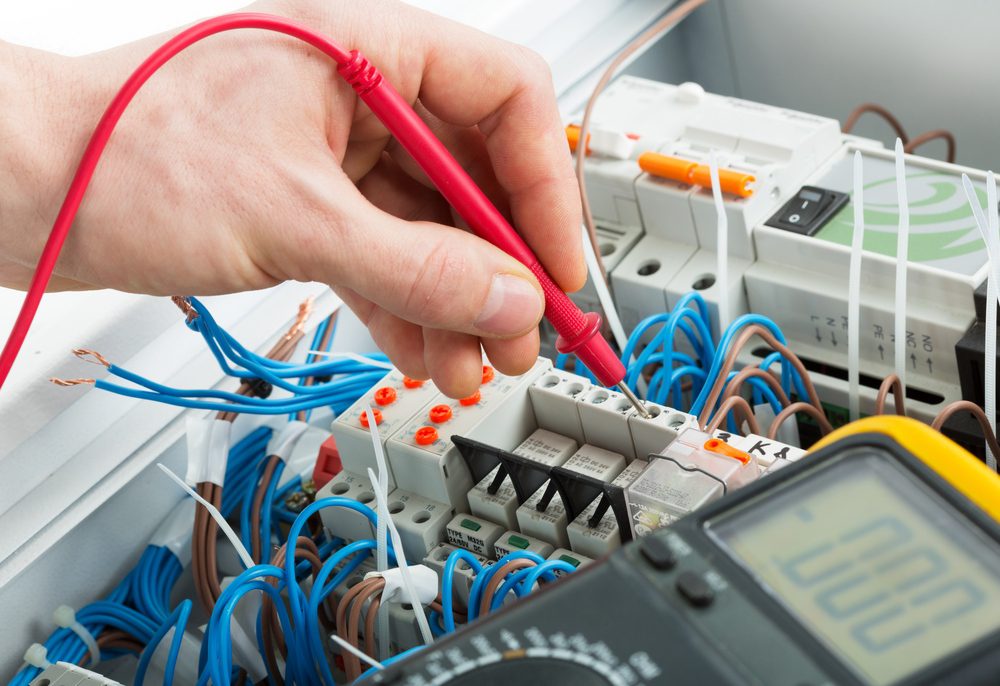
Common Issues and Safety Risks
Electrical assessments often uncover a variety of typical problems that can pose safety risks in the home. One common issue is outdated wiring, which may not meet modern safety regulations and can heighten the risk of excessive heat generation and electrical fires. Additionally, improperly functioning outlets, such as those that are wobbly or not adequately grounded, can lead to shock hazards or damage to appliances. Inspectors also commonly encounter inadequate handling of power cords and multi-plug adapters, which can create unbalanced loads and contribute to hazardous fires.
Another significant concern discovered during assessments is the existence of bare wires or compromised insulation. This can be particularly dangerous, as it not only increases the risk of shock but also increases the likelihood of creating short circuits. Furthermore, evidence of water exposure or wetness in electrical areas can be an alarm bell for a significant risk, as water intrusion can compromise electrical systems, leading to dangerous malfunctions.
Finally, old circuit breakers that lack adequate capacity for today’s energy needs can be a critical hazard. These panels may fail to trip during overloads, increasing the risk of electrical fires. In addition, regulatory breaches, such as faulty installations or unpermitted modifications, can lead to serious safety risks and necessitate expensive remediation. Regular electrical inspections are crucial for detecting problems in advance and ensuring that properties remain safe and aligned with modern regulations.
Readiness and Importance of Assessments
Before scheduling an electrical system inspection, it is crucial for property owners to ready properly. This involves making sure that all areas of the property are accessible, including attics, cellars, and utility rooms where circuit breakers are commonly found. Additionally, it is helpful to gather any relevant documentation, such as previous evaluation reports or power service records. This data can help the evaluator in grasping the property's electrical system's history and identifying any recurring issues.
The importance of electrical system evaluations cannot be underestimated. Frequent inspections are essential for maintaining a safe living environment, as they help identify potential risks such as defective wiring, dated electrical systems, and combustion risks. This preventative approach not only protects the safety of occupants but also helps prevent costly repairs in the future. Property owners can enjoy tranquility knowing their electrical setups are in accordance with present safety standards.
Furthermore, electrical assessments play a vital role in enhancing power performance in homes. EICR Kirkcaldy Fife can detect areas where energy is being wasted, such as outdated appliances or improper wiring, and suggest upgrades. This not only helps lower energy bills but also contributes to a more sustainable living environment. By prioritizing electrical system evaluations, homeowners protect their assets and create a safer, efficient home.