Creating The Dream Outdoor Space: A Comprehensive Guide


Designing the perfect garden is an exciting yet challenging endeavor. With so many design options available, it's crucial to approach the project in a systematic manner. Our guide will take you along the necessary steps to create a beautiful landscape that shows your style and meets your real-world needs. Regardless of whether you own a sprawling backyard or a charming front yard, the appropriate design can transform your outdoor space into a remarkable oasis.
In this article, we will examine a variety of key concepts and ideas that will help you in making informed decisions about your landscape design. From understanding the diversity between contemporary and old-fashioned styles to incorporating low-maintenance options, our structured approach is suitable for everyone, from beginners to experienced gardeners. Therefore, take your notebook and let’s embark on the journey to build the garden you've long imagined.
Best Garden Design Ideas
As you considering about garden design, one must crucial to think about how diverse elements might come together to establish a cohesive and visually appealing outdoor space. One popular idea is to include pathways that direct guests through the yard, utilizing materials like stone, rocks, or wood to provide texture and engagement. Such walkways not just create useful paths but also aid mark different sections within the yard, including planting areas, sitting spaces, and vegetable patches.
Introducing aquatic elements can also improve your yard planning. Ponds, water bodies, or including brooks can introduce calming noises and invite wildlife, creating a dynamic component to the landscape. Such features can be constructed to suit any style, ranging from modern minimalist to lush green, allowing you to build an sanctuary that reflects your preferences and enriches your outdoor experience.
A further outstanding suggestion involves to make use of native plants in your landscape planning. Indigenous plants are naturally suited to the regional climate and ground conditions, which makes them more robust and easier to care for. In choosing plants that grow well in the region, you not just help the local ecosystem and beneficial insects but also make certain that your yard remains colorful throughout the year with minimal work. This approach not only protects water and minimizes chemical applications but also nurtures a distinct feeling of belonging in your backyard.
Essential Landscaping Tips
While starting your landscape design journey, it's essential to initially assess your outdoor space. Observe the light conditions, soil quality, and existing structures. This information will inform your decisions and aid in selecting plants that thrive in your environment. Additionally, think about your lifestyle and how you plan to use the space. Whether it's entertaining, gardening, or relaxation, defining your needs will guide your design choices.
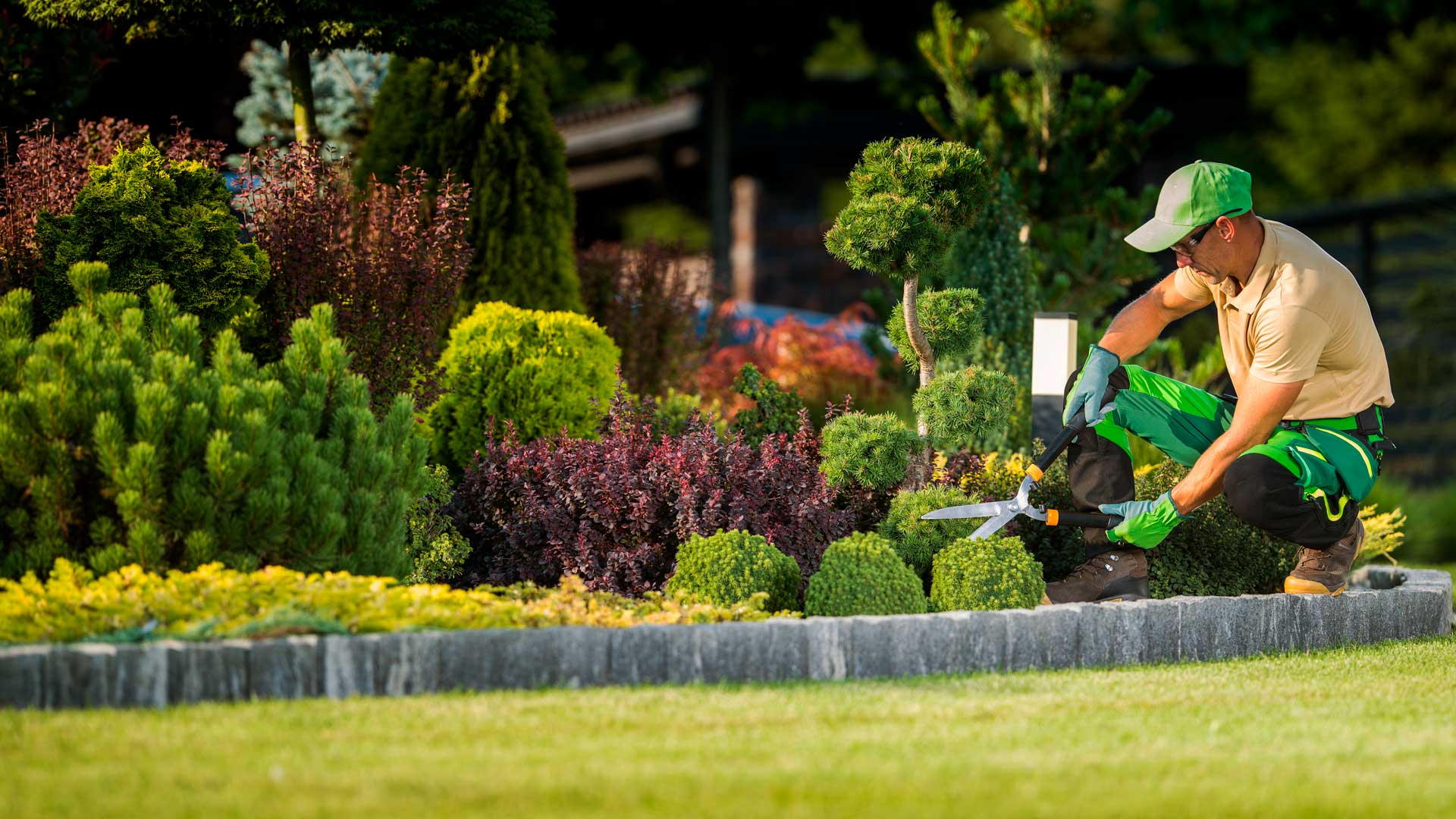
Next, consider incorporating both hardscape and soft landscaping elements. Hardscaping includes features such as pathways, patios, and walls, while softscaping refers to the plants and greenery. Striking a balance between these two elements can create visual interest and functionality in your landscape. Use materials that enhance your home’s architecture and create a cohesive look throughout your yard.
Finally, note that maintenance is crucial to a beautiful landscape. Design with easy-care plants and materials if you have a busy lifestyle. Consider incorporating native plants, which require minimal irrigation and care while attracting local wildlife. Additionally, plan for seasonal changes by selecting plants that bloom at different times of the year, guaranteeing your garden remains vibrant and engaging throughout all seasons.
Selecting the Right Designer
Selecting the appropriate landscape designer is a critical aspect in bringing your garden vision to life. Start by establishing https://rentry.co/aeaozrfz and your design preferences. Research potential designers in your area, concentrating on those who specialize in the type of landscaping you want, whether it's modern, traditional, or eco-friendly. Review their portfolios to assess their design aesthetics and consider client testimonials to evaluate their professionalism and dependability.
During first consultations, inquire potential designers about their design process, including how they handle concepts like patios, plant selection, and environmental considerations. It's essential to share your budget and goals clearly. A great designer will be receptive to your input and offer recommendations that align with your vision while staying within your budget. This partnership is key to ensuring the final design resonates with your vision.
Ultimately, ensure that the designer you choose comprehends the details of your outdoor space, including any obstacles it might pose, such as hilly land or limited sunlight. They should show expertise of local climate conditions and recommend suitable plants and resources. Being comfortable with your designer is crucial, as a strong relationship can lead to a more enjoyable and successful design experience.