Analyzing the Wiring: What You Can Expect During an Electrical System Evaluation


Power is an essential part of our everyday lives, supplying energy to everything from our kitchen appliances to our residential entertainment setups. However, with this comfort comes the duty of ensuring that our electrical systems are safe and functioning properly. This is where electrical inspections come into play. An electrical inspection is a detailed examination of the electrical system in a home or commercial space, conducted by a certified professional. It is not only important for protection but also vital in maintaining the integrity and performance of electrical systems.
In this article, we will delve into various facets of electrical inspections, such as their importance, common issues that may be found, and how frequently these assessments should be conducted. Whether you are a property owner, a tenant, or a business owner, grasping the ins and outs of electrical inspections can help safeguard your asset, enhance safety, and ensure adherence with local codes. Join us as we explore what to anticipate during an electrical inspection and why it is crucial for contemporary life.
Understanding Electrical Inspections
Electrical evaluations represent structured evaluations of a property's electrical system to ensure safety, compliance, and operability. These inspections are carried out by licensed professionals who examine the integrity of cabling, circuit panels, sockets, and fixtures. The chief objective is to spot any possible dangers or code violations that could pose threats to occupants.
The importance of these evaluations cannot be overemphasized. Electrician Inspection Condition Reports Fife help prevent power failures that can lead to hazardous scenarios such as fires or electric shocks. Inspections are particularly vital for antique homes where electrical wiring may not meet current safety standards. Frequent inspections can also enhance energy conservation, simplifying for homeowners to detect areas where enhancements may be advantageous.
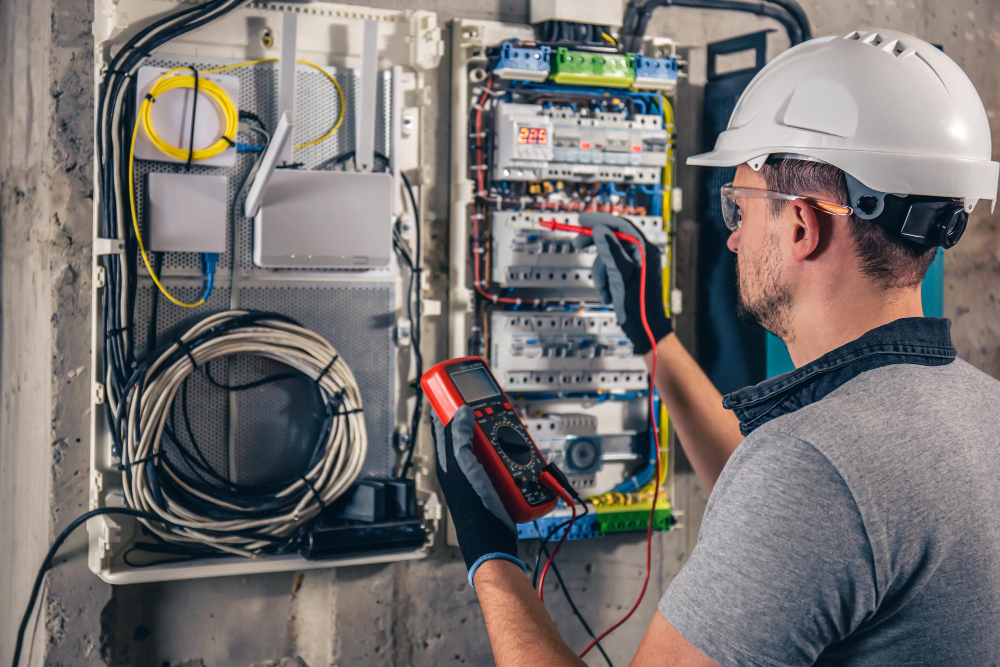
For householders and business property owners alike, comprehending the details of electrical assessments is essential. During an inspection, multiple systems are checked, including the grounding system, circuit breakers, and load limits. By taking initiative and arranging inspections, landlords can confirm their electrical infrastructures are in good condition, following regulations, and effective.
Frequent Problems and Fixes
Electrical inspections often reveal a number of frequent concerns that can pose safety risks and compromise the effectiveness of a network. One frequent issue is dated electrical systems, which may not meet current guidelines or could be insufficient for modern power demands. Solutions typically involve upgrading to newer, updated electrical wiring and implementing sufficient circuit breakers to handle increased loads, ensuring conformance with electrical codes.
Another common issue is inadequate grounding, which can lead to electrical shock hazards and equipment malfunctions. To resolve this, inspectors recommend having a certified electrician check the earthing setup, make necessary corrections, and install GFCIs where needed. This change can significantly enhance overall safety by lessening risks associated with electrical surges and problems.
Lastly, circuit overloads are commonly found during inspections. This can occur when too many devices are connected to a solitary circuit, increasing the risk of thermal overload and fires. Fixes include spreading out the electrical load across several circuits and installing additional circuits when necessary. Making sure that circuits are not excessively loaded helps maintain reliable and functional electrical systems in houses and businesses alike. Importance of Consistent Inspections
Consistent electrical inspections are vital for preserving the safety and efficiency of any property. An important reason to conduct these evaluations is to identify and correct probable hazards before they escalate into significant issues. Defective wiring, outdated systems, and undetected wear and tear can lead to unsafe situations such as electrical hazards or equipment malfunctions. Ensuring that your electrical system is regularly evaluated reduces risks and boosts the security of all occupants in the home or business.
Alongside safety, consistent inspections can also boost the energy efficiency of a property. Over time, electrical systems can become diminished due to outdated components or poor maintenance. An inspection can reveal areas where enhancements can lead to reduced energy bills and diminished environmental impact. By carrying out regular inspections, property owners may also find opportunities for state rebates and energy-saving programs aimed at enhancing electrical systems.
Lastly, for homeowners and businesses planning to market their properties, regular electrical inspections can be a valuable asset. They demonstrate proactive management of the property and verify compliance with regional regulations. Properties that have undergone recent inspections may attract purchasers or tenants who value safety and functionality. Therefore, staying proactive with consistent electrical inspections not only defends against emergencies but also promotes long-term financial returns in the property.