A Ultimate Handbook to an Damp-Free Cellar: Sealing Solutions


When it comes to home maintenance, a crucial element often neglected is making basements waterproof. A moisture-free basement is not just about ease; it is essential for the overall integrity and stability of your home. Moisture infiltration can lead to mildew and mold, structural damage, and a decrease in your property's value. This manual aims to prepare you with the understanding and tools necessary to maintain your basement remains dry and protected, whether you are managing an existing home or planning a new construction.
In this thorough resource, we will examine various waterproofing solutions, helping you grasp the variances between inside and outdoor methods, the necessity of proper drainage, and how to choose the best contractor for your needs. We will also highlight key signs that suggest your basement needs immediate attention and offer advice on upkeeping your waterproofing system. By the end of this resource, you will be fully equipped to make smart choices that safeguard your home from water-related issues and increase its value over time.
Understanding Cellar Waterproofing Solutions
Cellar moisture-proofing is a critical procedure aimed at stopping moisture from entering the basement of a house. Whether it involves subsurface leakage or pipe leaks, addressing moisture issues is important to ensure a drought-free, usable space that improves the overall value of a property. waterproofing contractors can select from a variety of moisture-proofing methods, such as indoor and outdoor options, each with its own set of benefits and challenges.
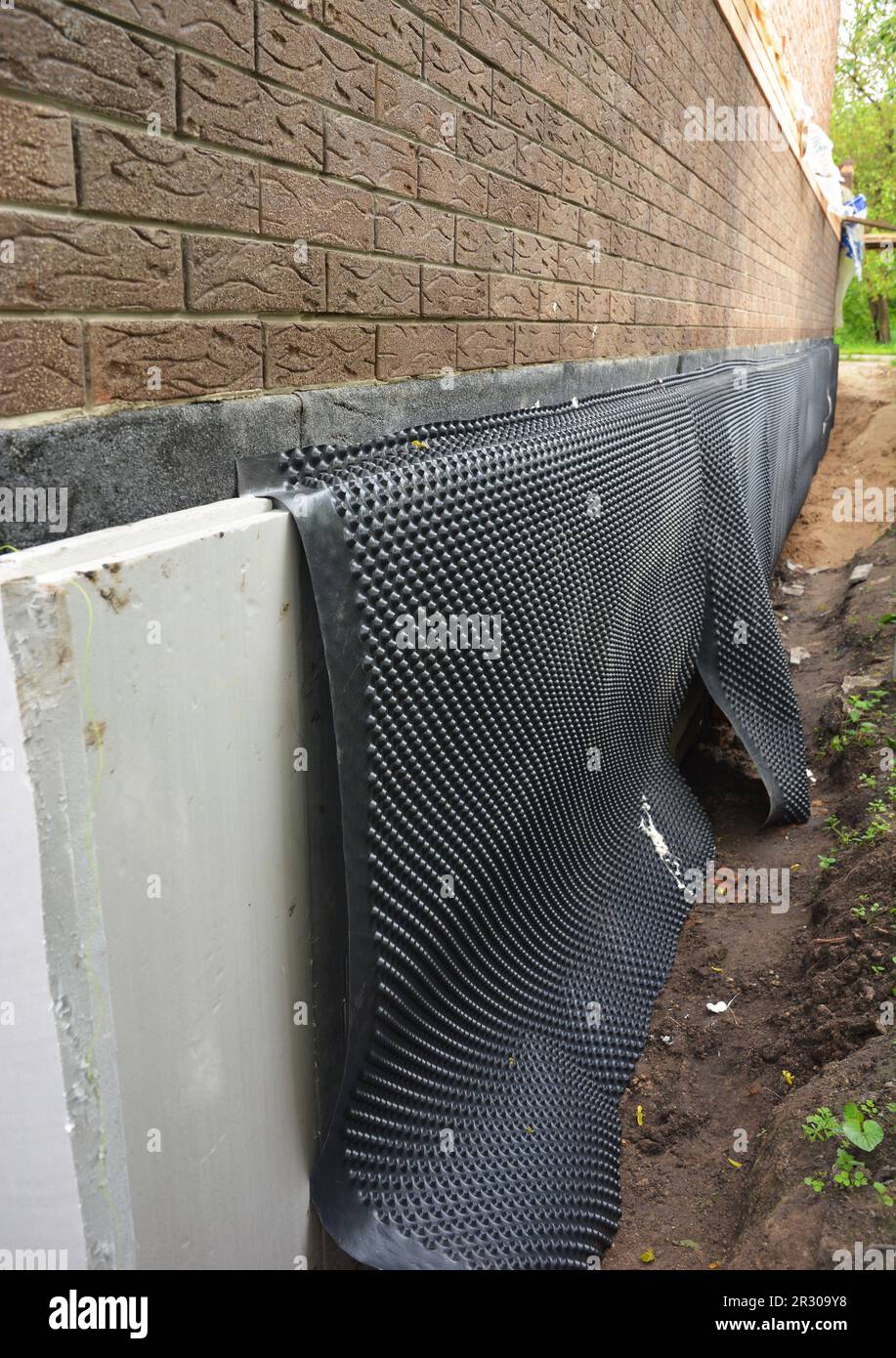
Interior waterproofing options usually involve the setup of drain systems, sump pumps, and dehumidifiers to control and divert water within the basement. Such methods can be helpful for managing minor drips and humidity levels, but they may not resolve significant water problems stemming from the outside. On the other hand, exterior waterproofing concentrates on preventing moisture from getting to the foundation in the initial stage. This is achieved through extensive grading, drainage systems, and moisture-proof membranes applied to the base walls.
Determining the right waterproofing option relies on the unique needs of a home and the extent of the moisture problem. Elements such as regional climate, soil characteristics, and existing drainage infrastructure play a key role in determining the most effective approach. Grasping the differences between interior and exterior waterproofing is important for property owners looking to protect their cellars and avoid expensive repairs in the long run.
Indicators That Your Basement Needs Waterproofing
One of the most evident signs that your basement needs waterproofing is the appearance of water stains on the walls. If you spot discoloration or dark patches, especially after heavy rainfall, it shows that moisture is leaking through the foundation. Additionally, if you notice efflorescence, a white powdery substance on walls, it suggests that water is leaving, leaving behind mineral deposits. These signs demand immediate attention to prevent further damage and mold growth.
Another key indication is a musty odor lingering in the basement. This smell often indicates mold or mildew thriving in damp conditions. If Click to find out more feels moist or uncomfortable, it may be caused by water intrusion. https://posteezy.com/confronting-elements-efficient-cellar-moisture-proofing-strategies to any signs of mold growth on surfaces like timber or drywall, as they pose health risks and can weaken your home's structural integrity.
Cracks in the foundation or walls are also clear indicators that waterproofing is necessary. Small cracks can grow, allowing more water to flow in over time. It's essential to inspect the foundation regularly and address any cracks you find. If you notice pooling water outside the foundation after rain, it's imperative to consider waterproofing solutions to redirect water away and protect your basement from potential leaks.
Determining the Appropriate Waterproofing Method
In terms of deciding on the right waterproofing technique for your cellar, it’s essential to think about the particular challenges your environment faces. Such as, if you are handling substantial water infiltration due to intense rainfall, outdoor waterproofing solutions such as French drains or digging might be required. These techniques address the issue at its origin, redirecting water away from your foundation before it can cause damage. On the flip side, if you are primarily concerned with humidity and slight leaks, indoor approaches like barrier systems or drain pumps may be enough.
Another factor to evaluate is the condition and condition of your house. Older homes often have distinct challenges, such as deteriorating foundations or inadequate drainage systems. In such instances, a thorough assessment by a waterproofing contractor can help identify the most suitable method, whether it's strengthening existing buildings or adopting modern technologies. Keep in mind that options tailored to older homes may differ significantly from those appropriate for recent constructions.
In conclusion, evaluate your cost considerations and extended goals. Although some techniques may have a greater initial cost, they can offer improved protection and potentially increase your property’s value over time. Whether you choose DIY water sealing, professional installation, or a mix of methods, ensuring you choose a strategy aligned with your house’s needs will ensure the most effective sustained results and peace of mind.