A Handbook to Varieties of Wood for Flooring: Which is The Best?


Wooden floors has long been celebrated for its enduring charm, adding warmth and character to every space. Whether you’re renovating an historic house or constructing a new property, the choice of flooring can significantly impact the entire style and practicality of your living space. With a range of options available, grasping the diverse types of wood and their distinct qualities is essential to make an informed decision that matches with your taste and lifestyle.
This resource will explore the diverse types of timber for flooring, delving into the advantages of choosing wooden flooring, how to maintain them, and what to think about when making your selection. From the timeless charm of solid wood to the modern innovation of composite wood, we will help you navigate the options to find the perfect fit for your living space. We will also examine current trends, common mistakes to steer clear of, and maintenance tips to keep your wooden flooring appearing beautiful for ages to come. Let’s embark on this adventure to discover the best wooden floors choices for your space.
Choosing the Right Wooden Floor
When considering wooden flooring, the first step is to assess the individual needs of your house. Aspects such as the space's purpose, foot traffic, and style preferences carry a vital role in selecting the suitable type. For example, high-traffic areas like hallways or living rooms may benefit from more robust species such as oak or maple, while softer woods like pine may be more suited for low-traffic areas.
Then, reflect on the look you want to achieve. Wooden floors come in a multitude of colors, grains, and finishes that can significantly affect the space's overall ambiance. Rustic woods can bring warmth and character, while sleek, modern options offer a more current feel. Matching the wood type with your pre-existing decor secures a cohesive look throughout your environment.
Finally, consider the installation and maintenance demands. Some wooden floors are generally challenging to install and care for than others. Engineered wood, for illustration, is often less complex to install than solid hardwood, making it a popular choice for DIYers. Furthermore, factor in the maintenance needed for distinct wood types, as this will impact their longevity and appearance over time.
Benefits of Wooden Flooring
One significant advantages of wooden flooring is its enduring charisma and organic aesthetic. The rich tones and characteristic grain patterns of wood create an embracing atmosphere in any home. Wooden floors suit a variety of design styles, from rustic to contemporary, making them a versatile choice for all interior. Their aesthetic value often enhances the general decor, providing a substantial return on investment in terms of home value.
Besides their aesthetic advantages, wooden floors are known for their strength and endurance. With adequate maintenance, top-notch wooden flooring can last for an extended period, sometimes generations. Unlike other flooring materials that may need frequent replacement, wood can be refinished and refinished multiple times, making it a green choice. This durability also results in a effective solution for frequently used areas, as wooden floors can bear daily wear and tear better than many alternatives.
A further important benefit of wooden flooring is its positive impact on indoor air quality. Wood is a genuine material that does not hold allergens, dust, or other pollutants, leading to a more wholesome living environment. Furthermore, wooden flooring can elevate the overall acoustics of a home, providing warmth and reducing echo, which enhances the overall comfort of living spaces. The blend of health benefits and aesthetic qualities makes wooden flooring an outstanding choice for homeowners desiring both beauty and utility.
Care and Management Tips
To keep your hardwood flooring appearing its optimal, consistent maintenance is important. Use https://qcflooringmiltonkeynes.uk/best-herringbone-flooring-milton-keynes/ -abrasive broom or a vacuum with a hardwood floor setting to clear dust and debris. Avoid using excessive water when mopping; on the other hand, use a damp mop with a cleaner formulated specifically for wooden floors. This aids preserve the finish and prevents water damage, as prolonged moisture can damage the wood.
Nurturing for hardwood floors also entails protecting them from scratches and dents. Place area rugs in frequently used zones and under furniture to reduce wear. Felt pads under furniture feet are crucial in avoiding scratches when moving items. Additionally, be cautious of footwear; high heels or shoes with harsh soles can leave marks. Regularly inspect your floors for any signs of wear and quickly address them.
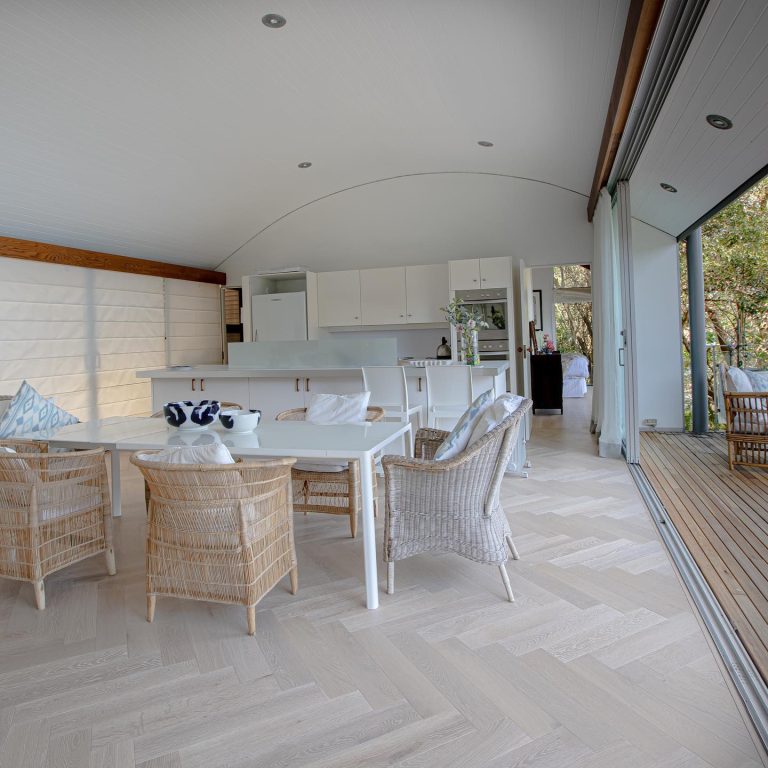
Periodic maintenance can enhance the longevity of your hardwood flooring. In the winter, low humidity can cause wood to contract; using a humidifier can assist maintain the moisture level in the air. In opposite, during wet summer months, ensure proper ventilation to avoid expansion. Refinishing timber floors every few years can restore their original luster and shield them from further damage, ensuring your floors look beautiful for years to come.